


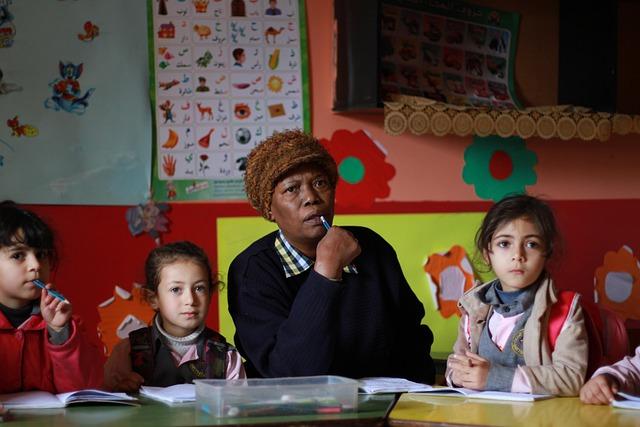
Germany’s Educational Support for Gaza’s Youth: Opportunities Amidst Movement Barriers
Germany’s Commitment to Palestinian Education: A Step Forward with Limitations
Germany has recently announced a substantial initiative to finance the education of Palestinian students residing in Gaza, aiming to foster academic development despite the region’s ongoing turmoil. This generous funding represents a vital investment in the future of Gaza’s youth. However, the harsh reality remains that stringent travel restrictions and political obstacles severely limit students’ ability to leave Gaza and benefit from international educational programs. This situation highlights the paradox faced by many young Palestinians: access to scholarships does not guarantee the freedom to pursue studies abroad.
Travel Restrictions: The Invisible Barrier to Educational Advancement
While financial aid is crucial, it cannot alone overcome the formidable travel constraints imposed on Gaza’s population. The blockade enforced by multiple authorities results in tightly controlled border crossings, with exit permits granted only in rare humanitarian cases. These restrictions create a significant bottleneck, preventing many students from attending universities overseas despite having secured funding.
- Strict border controls: Most crossings remain closed or operate under severe limitations, restricting movement to exceptional circumstances.
- Permit issuance challenges: The process for obtaining travel permits is often opaque, inconsistent, and heavily influenced by security considerations rather than educational needs.
- Unreliable transit routes: The lack of safe and direct travel corridors to international airports further complicates students’ departure plans.
| Barrier | Effect on Students | Suggested Remedy |
|---|---|---|
| Border Closures | Severe limitation on physical exit | Diplomatic engagement to open humanitarian corridors |
| Funding Availability | Moderate support for tuition and living costs | Expanded scholarships and grants |
| Permit Procedures | High unpredictability and delays | Transparent and expedited permit systems |
How the Blockade Restricts Gaza Students’ Access to Global Education
Despite Germany’s full sponsorship of educational programs abroad, the blockade’s impact remains a formidable hurdle. Many students face indefinite delays or outright denial of exit permits, which disrupts their academic timelines and causes significant emotional distress. The psychological burden of being trapped, combined with the uncertainty of travel, undermines the potential benefits of the funding.
- Selective permit issuance: Travel permissions are granted sporadically, often without clear criteria, leaving students in limbo.
- Border crossing shutdowns: Key points of exit, such as the Rafah crossing, frequently close for extended periods, halting all movement.
- Absence of secure transit options: Without reliable routes to international airports, students face logistical nightmares in reaching their destinations.
| Challenge | Consequences for Students |
|---|---|
| Permit Delays | Missed university application deadlines and enrollment periods |
| Crossing Closures | Inability to physically exit Gaza |
| Travel Route Limitations | Restricted access to international airports and safe transit corridors |
Beyond Funding: The Multifaceted Challenges Confronting Gaza’s Students
Financial assistance, while essential, addresses only part of the problem. The broader context of Gaza’s political and security environment imposes additional hurdles that impede educational progress. The ongoing conflict, coupled with bureaucratic complexities, creates an environment where even well-funded students struggle to realize their academic ambitions.
- Limited freedom of movement: Navigating numerous checkpoints and obtaining rare approvals is a daily challenge.
- Mental health impact: Persistent instability and trauma diminish students’ capacity to plan for long-term education abroad.
- Insufficient local resources: Many students lack access to preparatory courses, documentation, or reliable internet connectivity necessary for application processes.
| Constraint | Effect |
|---|---|
| Exit Permit Scarcity | Severe bottlenecks limit student departures |
| Border and Security Restrictions | Safe passage is often unavailable |
| Conflict Environment | Unpredictable violence disrupts educational plans |
| Complex Bureaucracy | Slow visa and documentation processes hinder timely travel |
Strategic Policy Measures to Facilitate Educational Access and Safe Travel
To transform Germany’s educational funding into a practical opportunity, coordinated policy actions are imperative. Establishing secure and reliable travel corridors is a foundational step, requiring diplomatic negotiations with regional authorities to permit student movement without fear of detention or harm. Additionally, simplifying identity verification and visa procedures will reduce administrative delays that currently obstruct student mobility.
Complementary to physical access, enhancing educational infrastructure within Gaza and expanding remote learning options can mitigate the impact of travel restrictions. Key policy recommendations include:
- Humanitarian travel corridors: Designated windows allowing safe passage for students.
- Cross-border scholarship programs: Funding tied to guaranteed safe transit arrangements.
- Flexible university enrollment: Remote or deferred admission policies accommodating travel uncertainties.
- Emergency financial assistance: Targeted grants addressing Gaza’s unique economic and logistical challenges.
| Policy Focus | Proposed Initiative | Anticipated Outcome |
|---|---|---|
| Border Access | Establishment of humanitarian corridors | Faster, safer student travel |
| Enrollment Flexibility | Remote learning and deferred admissions | Continuity of education despite travel barriers |
| Financial Aid | Emergency grants tailored to Gaza’s context | Reduced economic obstacles for students |
Conclusion: Bridging the Gap Between Opportunity and Reality
Germany’s initiative to fund education for Gaza’s youth is a commendable and hopeful gesture amid a challenging environment. Yet, the persistent blockade and political complexities severely restrict the ability of students to capitalize on these opportunities. This situation reflects a broader dilemma faced by Gaza’s population, where aspirations for advancement are frequently hindered by systemic barriers. For educational funding to translate into real change, international stakeholders must address the fundamental issues of mobility and access, ensuring that Gaza’s young scholars can break free from isolation and pursue their academic dreams.


