
Advancing German-Central Asian Educational and Scientific Collaboration
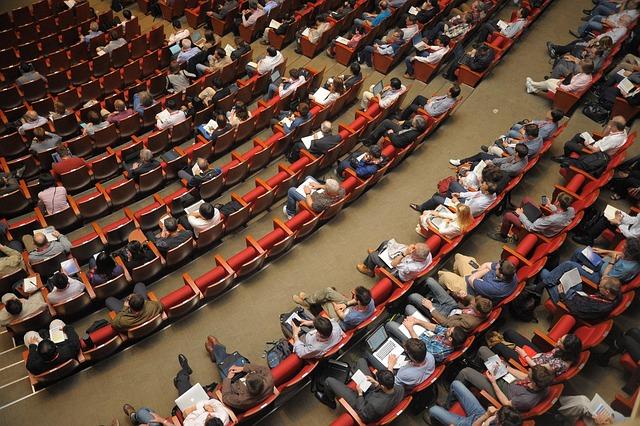
Currently taking place in Germany, the German–Central Asian Forum on Higher Education and Science unites scholars, decision-makers, and academic leaders from Central Asia and Germany. This gathering is designed to cultivate partnerships in higher education and scientific research, spotlighting avenues for innovation and cooperation between these regions. The forum acts as a vital venue for exchanging ideas, addressing emerging academic trends, and reinforcing educational and scientific bonds.
Innovative Collaborations in Higher Education
This forum provides a vibrant environment where university administrators, policymakers, and researchers from Germany and Central Asia engage in dialogue about pioneering approaches to education and science. Discussions focus on collaborative research endeavors, faculty and student mobility programs, and the creation of interdisciplinary curricula that tackle global challenges such as climate change and digital transformation. Emphasis was placed on establishing enduring partnerships that elevate academic standards and research productivity across the participating countries.
- Showcases of groundbreaking joint research initiatives linking German and Central Asian universities
- Panels exploring the impact of digitalization on academic and scientific landscapes
- Interactive workshops on securing funding and navigating grant application processes for collaborative projects
- Networking opportunities aimed at deepening institutional relationships and cultural understanding
| Participating Nations | Core Focus Areas | Anticipated Results |
|---|---|---|
| Germany, Kazakhstan, Uzbekistan, Turkmenistan, Kyrgyzstan | Collaborative Research, Academic Exchange, E-Learning Innovations | Dual Degree Programs, Enhanced Research Grants, Innovation Centers |
Highlighting Scientific Breakthroughs and Strategic Partnerships
The forum spotlighted transformative scientific advancements in areas such as renewable energy, biotechnology, and artificial intelligence, underscoring the power of cross-border collaboration. Delegates presented projects including climate-adapted water conservation technologies tailored for Central Asia’s arid zones and novel gene-editing techniques poised to boost agricultural productivity. These initiatives demonstrate a shared dedication to tackling global issues through joint research and technology exchange.
- Renewable Energy: Development of solar and wind systems optimized for dry, desert-like environments
- Biotechnology: Enhancing crop durability through advanced genome editing tools
- Artificial Intelligence: Deployment of AI-driven solutions for urban infrastructure planning and medical diagnostics
Moreover, the forum formalized several collaborative agreements between universities and research centers from Germany, Turkmenistan, Kazakhstan, and Uzbekistan. These partnerships aim to accelerate knowledge sharing via student exchanges, joint laboratories, and co-authored scientific publications. Capacity-building efforts are also prioritized to equip regional researchers with access to cutting-edge facilities and expertise in emerging scientific fields.
| Institution | Research Specialty | Collaboration Plan |
|---|---|---|
| Technical University of Munich | Renewable Energy Technologies | Establishment of joint research laboratories |
| Turkmen State University | Water Resource Sustainability | Implementation of student exchange programs |
| Kazakh National University | Biotechnological Innovations | Collaborative research publications |
| Leipzig University | Artificial Intelligence Applications | Shared AI research initiatives |
Enhancing Academic Mobility through Strategic Initiatives
To deepen cooperation between German and Central Asian academic institutions, experts recommend prioritizing flexible bilateral agreements supported by adequate funding. Simplifying visa procedures and launching joint scholarship schemes can significantly boost the movement of students and faculty. Additionally, leveraging digital platforms for virtual conferences and workshops will maintain continuous academic engagement, especially in times of travel restrictions or global disruptions.
- Launching joint research projects aligned with regional development goals
- Creating mentorship programs to support exchange participants throughout their academic journey
- Providing tailored language and intercultural training to facilitate smoother integration
- Implementing monitoring systems to assess the effectiveness and impact of exchange programs
| Recommendation | Projected Impact |
|---|---|
| Flexible Bilateral Agreements | Greater adaptability and increased participation in exchange programs |
| Joint Scholarship Programs | Broader access for high-achieving students and researchers |
| Digital Academic Platforms | Ongoing collaboration and knowledge dissemination |
| Intercultural Training | Improved participant experience and cultural integration |
Promoting Sustainable Development through Educational Initiatives
Experts from Germany and Central Asia collectively outlined strategies to drive sustainable regional development via education and scientific research. The forum underscored the necessity of integrated programs that encourage innovation, environmental responsibility, and economic resilience. Central to these efforts is the creation of frameworks that facilitate knowledge exchange, capacity building, and collaborative research addressing shared challenges such as climate adaptation and resource management.
The forum’s conclusions were encapsulated in a detailed action plan featuring key initiatives aimed at bridging educational disparities and advancing scientific cooperation:
- Cross-border scholarship schemes to boost academic mobility
- Creation of regional research centers specializing in sustainable technologies
- Development of joint curricula emphasizing sustainability and digital skills
- Annual evaluation mechanisms to track progress and outcomes
| Initiative | Leading Partners | Expected Benefits |
|---|---|---|
| Scholarship Exchange Programs | German Universities & Central Asian Institutions | Enhanced academic mobility and intercultural exchange |
| Regional Research Hubs | Technical Universities & Industry Partners | Innovative solutions for renewable energy and sustainability |
| Joint Curriculum Development | Educational Ministries & University Experts | Modernized education with a focus on sustainability and digital literacy |
Conclusion: Strengthening German-Central Asian Academic Ties
The German–Central Asian Forum on Higher Education and Science represents a pivotal advancement in fostering academic and scientific partnerships between Germany and Central Asian countries. By encouraging dialogue and collaboration among universities, research institutions, and policymakers, the forum aims to elevate educational standards and drive innovation throughout the region. As the event progresses in Germany, it reaffirms the mutual dedication to enhancing higher education and scientific progress, laying the groundwork for future cooperative ventures that will benefit both regions.