


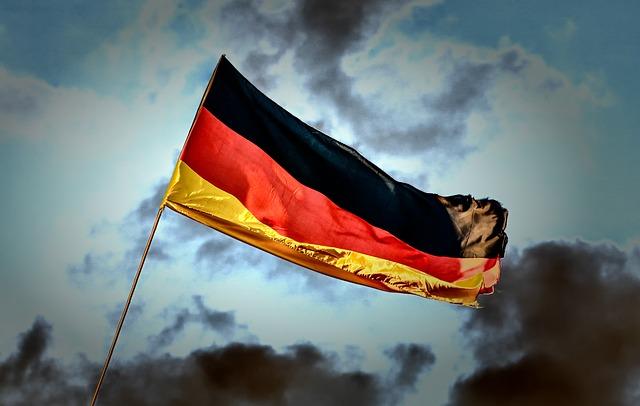
Decoding the Surge of AfD Support in Eastern Germany: Beyond Nostalgia
In recent years, Germany’s political terrain has undergone notable transformations, especially in the eastern states where the far-right party Alternative für Deutschland (AfD) has entrenched itself firmly. Contrary to the widespread assumption that this trend is merely a reflection of longing for East Germany’s socialist era, a deeper investigation reveals a more intricate web of causes. Carolin Würfel’s comprehensive analysis in The Guardian unpacks the socio-economic disparities, cultural dynamics, and regional frustrations that collectively drive many eastern Germans toward the AfD. As Germany continues to navigate its evolving identity amid shifting political currents, Würfel’s insights encourage a more sophisticated understanding of the motivations behind this electoral shift, urging a move away from oversimplified explanations.
Economic Realities Fueling Political Shifts in Eastern Germany
The AfD’s growing influence in the former East German states is rooted in a complex set of economic challenges that extend well beyond mere historical nostalgia. Since reunification, these regions have grappled with persistent economic hardships, including elevated unemployment rates, limited career prospects, and a steady population decline. According to the Federal Statistical Office of Germany, as of 2023, unemployment in eastern states remains approximately 7%, compared to around 4.5% in the west, underscoring ongoing disparities.
These economic difficulties have bred a widespread feeling of marginalization among residents, who often perceive themselves as sidelined in the nation’s broader economic progress. The AfD’s messaging, which frequently highlights economic grievances and promises to prioritize “forgotten” communities, resonates strongly with voters who feel left behind by globalization and modernization.
- Persistent Economic Struggles: High unemployment and stagnating local economies.
- Unequal Benefits of Reunification: Perceptions that western Germany has disproportionately reaped the rewards.
- Demographic Shifts: Population loss intensifies local solidarity and nationalist tendencies.
| Economic Factor | Effect on AfD Support |
|---|---|
| Job Market Stagnation | Heightens feelings of exclusion and discontent. |
| Population Decline | Strengthens community bonds and nationalist sentiment. |
| Post-Reunification Inequality | Fuels perceptions of systemic injustice. |
Cultural Identity and Historical Legacies: Shaping Political Allegiances
The political leanings of many eastern Germans are deeply intertwined with their cultural identity and the historical experiences unique to the region. The legacy of the German Democratic Republic (GDR) continues to influence how residents view governance, authority, and societal change. This historical backdrop, combined with contemporary anxieties about immigration and cultural integration, has created fertile ground for the AfD’s nationalist rhetoric.
For many voters, the AfD represents a platform that acknowledges their cultural concerns and offers a sense of protection against perceived threats to their traditional way of life. This dynamic is amplified by demographic changes, including increased immigration, which some eastern Germans view as challenging their regional identity.
- Historical Influence: The GDR’s imprint shapes attitudes toward political authority and social cohesion.
- Economic Inequality: Persistent disparities reinforce feelings of alienation.
- Immigration and Identity: Shifts in population demographics heighten cultural insecurities.
| Indicator | Eastern Germany | Western Germany |
|---|---|---|
| Unemployment Rate (2023) | 7.0% | 4.5% |
| Population Growth Rate | -0.3% | +0.6% |
| Voter Turnout (Last Federal Election) | 68% | 75% |
Bridging the Divide: Strategies for Reconnecting with Eastern Electorates
The surge in AfD support signals a broader disconnect between eastern German communities and mainstream political institutions. Many residents feel their concerns are overlooked, fostering political disengagement and skepticism. Addressing this requires a multifaceted approach that tackles both economic and cultural grievances.
- Economic Revitalization: Targeted investments in infrastructure, education, and job creation tailored to eastern Germany’s needs.
- Community Dialogue: Establishing forums that respect local histories and provide platforms for genuine exchange.
- Cultural Integration Programs: Initiatives that promote mutual understanding and celebrate regional identities within a unified Germany.
Fostering Trust Through Inclusive Political Engagement
Rebuilding trust between eastern German voters and political institutions demands deliberate efforts to acknowledge and address their unique experiences. The AfD’s rise partly stems from a perceived gap between citizens’ realities and the narratives of established parties. Overcoming this requires:
- Localized Policy Making: Crafting solutions that directly respond to regional challenges rather than one-size-fits-all approaches.
- Transparent Communication: Open, honest dialogue that validates concerns and avoids dismissive rhetoric.
- Partnerships with Community Leaders: Collaborations that build bridges and foster mutual respect.
By prioritizing these strategies, political actors can create a more inclusive environment that diminishes alienation and counters the appeal of extremist narratives.
Summary: Navigating the Complexities of Eastern Germany’s Political Landscape
Carolin Würfel’s examination of the AfD’s foothold in eastern Germany reveals a layered reality shaped by enduring economic challenges, cultural identity, and historical context. Moving beyond simplistic assumptions of nostalgia, her analysis underscores the importance of addressing systemic inequalities and fostering inclusive dialogue. As Germany continues its post-reunification journey, these insights highlight the critical need for policies and conversations that bridge the East-West divide, ensuring that all citizens feel represented and valued in the nation’s democratic fabric.


