


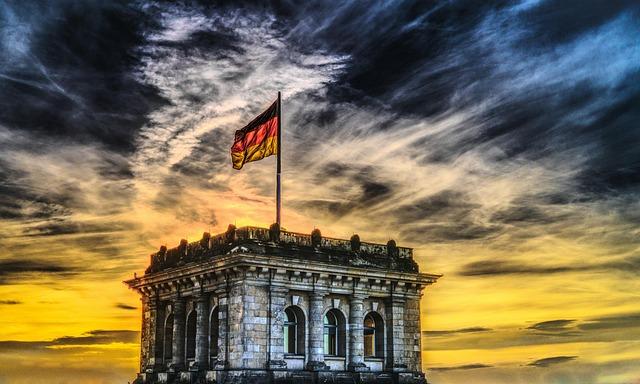
How Germany’s Anti-AfD Strategy Reshaped Its Political Landscape
Germany has long been recognized for its steadfast commitment to democratic ideals and a political environment that traditionally sidelined extremist factions. Yet, the ascent of the Alternative für Deutschland (AfD) has exposed vulnerabilities within this system, challenging the established order. The coalition of mainstream parties, often referred to as the “anti-AfD firewall,” was designed to isolate and delegitimize the far-right party. However, this approach has produced unintended effects, fundamentally transforming Germany’s political dynamics. As the AfD’s influence grows, the efficacy and consequences of this exclusionary tactic are under scrutiny. Rather than suppressing the party, the firewall may have inadvertently bolstered its support, prompting a critical reassessment of democratic resilience amid rising polarization. This article delves into how efforts to protect Germany’s political integrity have paradoxically fostered division and intensified ideological conflicts.
Shifting Political Dialogue Under the Anti-AfD Firewall
The creation of the anti-AfD firewall has profoundly influenced Germany’s political conversations. Initially intended to uphold democratic norms by preventing cooperation with the AfD, this strategy has instead deepened political polarization. Rather than encouraging open, constructive discussions on vital socio-economic challenges, the firewall has entrenched ideological divides, marginalizing dissenting perspectives. This breakdown in dialogue has hardened party positions, complicating coalition formation and legislative progress. Consequently, contentious topics such as immigration policy, economic disparity, and national identity have become arenas of conflict, often eclipsing urgent bipartisan issues like climate change and social welfare reform.
Additionally, the firewall has unintentionally empowered fringe elements by framing the AfD as a victim of political censorship, thereby amplifying its appeal among voters disillusioned with the status quo. This dynamic has created a paradox: the attempt to isolate the AfD has instead galvanized its base, positioning the party as a champion of “the people� against an out-of-touch elite. The ramifications of this approach include:
| Outcome | Explanation |
|---|---|
| Deepened Polarization | Growing ideological chasms reduce opportunities for compromise. |
| Strengthened Fringe Influence | AfD gains traction as a protest alternative to mainstream parties. |
| Legislative Gridlock | Difficulty in achieving consensus on critical policy matters. |
This evolving scenario underscores the necessity for renewed strategies that promote dialogue and inclusivity, preventing further fragmentation that could undermine effective governance.
Decline of Mainstream Parties and the Populist Surge
Germany’s political terrain has witnessed a significant transformation marked by the erosion of traditional party dominance and the rise of populist movements. Established parties such as the Christian Democratic Union (CDU), Social Democratic Party (SPD), and the Greens have seen their once-secure voter bases challenged by the AfD’s growing popularity. This shift reflects widespread voter dissatisfaction with conventional politics and a desire for representatives who address everyday concerns more directly.
Several key drivers underpin this trend:
- Economic Inequality: Increasing wealth gaps fuel social unrest and skepticism toward established parties.
- Cultural Concerns: Anxiety over immigration and globalization influences voter behavior.
- Distrust in Institutions: Perceptions of political elites as disconnected from citizens’ realities.
The anti-AfD firewall, while intended to curb the party’s influence, has inadvertently deepened societal divisions by sidelining the issues that resonate with its supporters. Voter allegiance is increasingly issue-driven rather than party-based, leading to a fragmented political landscape. The following table summarizes key trends emerging from this populist wave:
| Trend | Impact |
|---|---|
| Populist Momentum | Greater electoral unpredictability and volatility. |
| Weakening of Traditional Parties | Increased political fragmentation and coalition complexity. |
| Grassroots Mobilization | Rise of citizen-led movements influencing policy debates. |
Pathways to Political Reconciliation and Reform
In response to the fragmentation intensified by the AfD’s rise, German political actors must pursue innovative approaches that genuinely reflect the electorate’s diverse interests. Central to this is fostering open communication channels across party lines to rebuild trust and encourage collaborative policymaking. Effective strategies include:
- Inclusive Citizen Engagement: Utilizing town halls, digital platforms, and participatory forums to gather public input.
- Cross-Party Policy Initiatives: Developing joint efforts to tackle pressing challenges such as climate action, social integration, and economic reform.
- Empowering Local Leadership: Supporting grassroots organizations to ensure policies address regional and community-specific needs.
Restoring confidence in political institutions is equally critical. Enhancing transparency and accountability through independent oversight can counteract public disillusionment. Proposed measures include:
| Goal | Measure | Anticipated Result |
|---|---|---|
| Boost Transparency | Mandate comprehensive disclosure of party funding sources. | Increased voter confidence and engagement. |
| Enhance Accountability | Establish independent ethics commissions to monitor political conduct. | Reduction in corruption and improved public trust. |
Insights from Germany’s Democratic Challenges
The emergence of the AfD and the subsequent anti-AfD firewall illustrate the complexities of safeguarding democracy in a polarized era. While the firewall was conceived as a protective barrier against extremist influence, it has also contributed to political fragmentation and voter alienation. Many citizens, especially in economically disadvantaged regions, feel their concerns remain unaddressed by mainstream parties, fueling support for alternatives like the AfD.
Key factors driving this discontent include:
- Economic Marginalization: Unequal growth leaving certain communities behind.
- Immigration Debates: Heightened tensions surrounding integration and cultural identity.
- Declining Trust: Perceptions of political elites as disconnected from everyday realities.
These challenges highlight the urgent need for inclusive democratic dialogue that embraces diverse viewpoints rather than excluding dissenting voices. Strengthening democratic resilience requires bridging divides and fostering engagement across the political spectrum.
Conclusion
The anti-AfD firewall has done more than attempt to block a far-right surge; it has fundamentally altered Germany’s political fabric. By uniting mainstream parties around exclusion, it has intensified polarization, sidelined moderate voices, and tested traditional alliances. While designed to protect democratic values, this strategy risks deepening divisions and stifling meaningful debate. As Germany confronts these evolving political realities, it stands at a critical juncture where the balance between unity and fragmentation will shape its democratic future. In an age marked by shifting loyalties and emerging ideologies, fostering open dialogue and inclusive governance remains essential to preserving the nation’s democratic integrity.


