

Education’s Influence on Gender Perspectives Among Germany’s Diverse Youth
How Schooling Shapes Gender Beliefs in Ethno-Religious Majority and Minority Groups
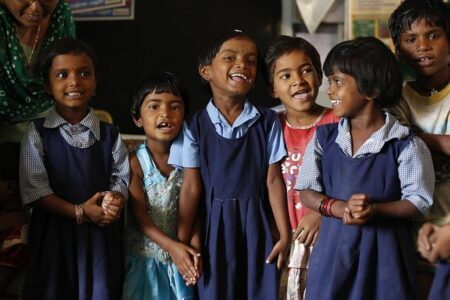
In Germany, education serves as a fundamental arena where young people’s views on gender roles are formed and transformed, especially when considering the distinct experiences of ethno-religious majority and minority populations. Schools act as critical environments where societal values are both imparted and challenged, shaping students’ understanding of gender equality. Research demonstrates that curricula incorporating gender-sensitive topics and fostering critical engagement tend to cultivate more progressive attitudes, particularly among minority youth who may encounter contrasting gender expectations within their families. Conversely, educational settings that emphasize traditional gender roles or lack cultural inclusivity often reinforce conservative perspectives, hindering social advancement.
Essential elements influencing gender attitude formation include:
- Curricular design: Inclusion of gender studies and anti-bias education promotes openness and analytical thinking.
- Teacher preparedness: Educators trained in intercultural and gender competencies can better navigate diverse classroom dynamics.
- Peer interactions: Exposure to classmates from varied cultural and religious backgrounds encourages dialogue and empathy.
- Family engagement: Collaboration with parents helps align school teachings with home values, facilitating attitude shifts.
| Group | Progressive Gender Views (%) | Traditional Gender Views (%) | Educational Impact |
|---|---|---|---|
| Ethno-Religious Majority | 70 | 30 | Strong |
| Ethno-Religious Minority | 58 | 42 | Moderate |
Tracking Gender Attitude Evolution Through Longitudinal Research
Longitudinal studies, which follow the same individuals over time, provide valuable insights into how gender attitudes develop differently among Germany’s ethno-religious majority and minority youth. These studies reveal that while majority group members tend to gradually adopt more egalitarian views, minority youth display more complex patterns—sometimes aligning with majority perspectives, other times maintaining traditional beliefs. Factors such as religious commitment, migration history, and community norms heavily influence these trajectories.
Key findings from longitudinal data include:
- Educational experiences encourage critical examination of gender norms across all groups.
- Social networks and integration processes accelerate attitude changes, especially for minority youth balancing bicultural identities.
- Parental and community expectations continue to play a significant role in either supporting or resisting shifts toward gender equality.
| Group | Education Level | Increase in Egalitarian Views (%) | Persistence of Traditional Views (%) |
|---|---|---|---|
| Ethno-Religious Majority Youth | University or Higher | 67 | 18 |
| Ethno-Religious Minority Youth | University or Higher | 54 | 30 |
| Ethno-Religious Majority Youth | Secondary or Lower | 33 | 48 |
| Ethno-Religious Minority Youth | Secondary or Lower | 22 | 62 |
Overcoming Barriers and Leveraging Opportunities for Inclusive Gender Education
Implementing inclusive education that effectively promotes gender equality in Germany’s multicultural classrooms presents several challenges. Language differences, cultural misunderstandings, and deeply ingrained gender stereotypes vary widely between majority and minority groups, complicating efforts to create equitable learning environments. Nonetheless, these challenges also open avenues for innovative educational strategies. By adopting culturally responsive teaching methods and embedding gender-sensitive content, schools can nurture critical thinking and challenge discriminatory norms across diverse student populations.
Effective approaches to enhance inclusivity include:
- Multilingual learning support: Programs that address language barriers to improve comprehension and participation.
- Professional development: Training educators in cultural awareness and gender sensitivity to foster respectful and dynamic classrooms.
- Inclusive extracurricular initiatives: Activities that engage students from various backgrounds in conversations about gender equity.
Recent data confirm that when schools implement these strategies, significant positive shifts in gender attitudes occur among both majority and minority youth. Education thus remains a vital catalyst for social equality, especially when combined with active community involvement and supportive policy frameworks.
| Intervention | Focus Group | Result |
|---|---|---|
| Culturally Adapted Curriculum | Minority Students | Heightened Gender Equality Awareness |
| Gender-Focused Teacher Training | Multicultural School Staff | Enhanced Classroom Gender Relations |
| Peer-Led Gender Dialogue Groups | Diverse Youth | Improved Cross-Cultural Understanding |
Policy Directions to Enhance Gender Attitude Transformation Through Education
To foster meaningful changes in gender attitudes among Germany’s ethnically and religiously diverse youth, educational policies must be thoughtfully designed to respect cultural nuances and historical backgrounds. Embedding gender equality as a core component of the curriculum, rather than an optional add-on, ensures consistent engagement and reflection. Complementing this with educator training that encourages open, respectful dialogue between majority and minority perspectives can dismantle biases and build mutual respect from an early age.
Recommended initiatives include:
- Interactive workshops: Sessions that explore real-life experiences of gender discrimination within different communities.
- Collaborative projects: Opportunities for youth from diverse backgrounds to jointly develop inclusive gender narratives.
- Parental involvement programs: Workshops aimed at reinforcing progressive gender values within family settings.
| Program Component | Target Audience | Anticipated Impact |
|---|---|---|
| Curriculum Integration | All Students | Increased Gender Awareness |
| Educator Development | Teachers and School Staff | Improved Facilitation and Sensitivity |
| Family Engagement Workshops | Parents and Guardians | Supportive Home Environments |
Concluding Reflections: Education as a Catalyst for Gender Equality in Germany’s Youth
This comprehensive longitudinal research underscores the transformative power of education in shaping gender attitudes among Germany’s ethno-religious majority and minority youth. By monitoring changes over time, the study reveals how schooling can either reinforce entrenched gender norms or promote progressive, egalitarian values within diverse communities. As Germany’s demographic landscape continues to evolve, these insights are invaluable for educators and policymakers committed to building inclusive societies. Ultimately, education emerges as a potent instrument for social change, capable of bridging cultural divides and advancing gender equality for future generations.