
Germany Invests in Surabaya Rail Upgrade to Enhance Connectivity and Economic Prospects
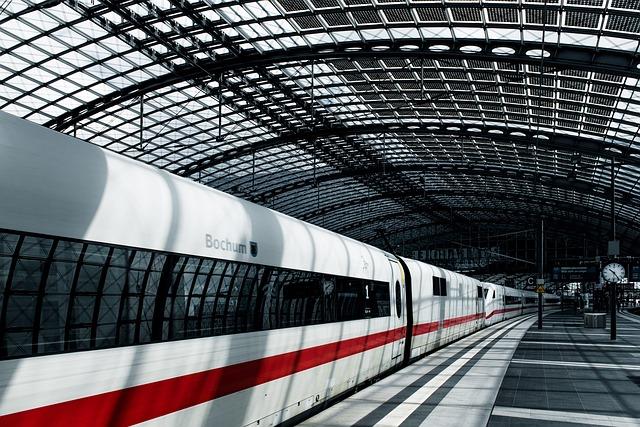
Germany has pledged a substantial $250 million investment to revamp the rail infrastructure in Surabaya, Indonesia’s second-largest metropolis. This initiative, set to commence construction in 2025, represents a pivotal advancement in Indonesia’s transportation landscape. The project focuses on integrating cutting-edge rail technologies, boosting operational efficiency, and expanding passenger capacity to meet the demands of one of Southeast Asia’s fastest-growing urban centers.
The rail modernization is anticipated to deliver multiple advantages, including:
- Enhanced regional integration: Upgraded rail services will provide faster, more dependable connections between Surabaya and neighboring cities, invigorating commerce and tourism.
- Economic stimulation: Improved transport infrastructure is expected to attract investments, generate employment, and support local industries.
- Environmental benefits: Deployment of modern electric trains will contribute to lowering carbon emissions, aligning with Indonesia’s climate action commitments.
| Project Component | Information |
|---|---|
| Funding Amount | $250 million |
| Construction Start | 2025 |
| Projected Completion | 2028 |
| Collaborating Entities | German Government, Indonesian Ministry of Transportation |
| Passenger Capacity Growth | Approximately 40% |
Technology Transfer and Funding Drive Sustainable Urban Rail Solutions
The $250 million financial backing from Germany not only accelerates the Surabaya rail project but also facilitates a robust exchange of advanced rail technologies between Germany and Indonesia. This collaboration enables Surabaya to implement German innovations such as smart signaling systems, energy-efficient trains, and digital infrastructure management, positioning the city as a leader in sustainable urban transit within the region.
The partnership encompasses several strategic initiatives, including:
- Collaborative research and development ventures
- Training programs to enhance the skills of Indonesian engineers and technicians
- Deployment of intelligent digital control and monitoring systems
These efforts aim to reduce environmental impact, improve service reliability, and foster sustainable urban expansion. The bilateral framework ensures ongoing innovation and adaptation beyond the initial construction phase, supporting long-term operational excellence.
| Focus Area | Anticipated Benefits |
|---|---|
| Eco-friendly rolling stock | Reduced emissions and noise pollution |
| Smart signaling technology | Enhanced safety and punctuality |
| Capacity building | Strengthened local technical expertise |
| Digital monitoring tools | Optimized operations and maintenance |
Construction Schedule Highlights Job Creation and Infrastructure Enhancement
Construction for the Surabaya rail upgrade, fueled by Germany’s $250 million investment, is slated to begin in early 2025. This project is projected to generate over 4,000 direct employment opportunities across various sectors such as engineering, construction, and project oversight, significantly benefiting the East Java region’s workforce and economy.
In addition to job creation, the project aims to transform Surabaya’s transportation network by:
- Strengthening links between suburban areas and the city center
- Alleviating traffic congestion by encouraging a modal shift from road to rail
- Integrating multiple public transit options for seamless commuter experiences
- Promoting sustainable urban growth through environmentally conscious infrastructure
| Project Phase | Timeline | Main Activities |
|---|---|---|
| Preparation | Q1 – Q2 2025 | Land acquisition, finalizing designs |
| Construction | Q3 2025 – Q4 2026 | Track installation, station construction |
| Testing & Commissioning | Q1 2027 | System trials, safety certification |
Stakeholder Involvement and Environmental Protection Are Key to Project Success
While the Surabaya rail modernization project backed by Germany’s $250 million investment promises transformative urban mobility improvements, experts stress the importance of active stakeholder participation. Engaging local communities, government bodies, and private sector partners throughout the project lifecycle is crucial to ensure the infrastructure meets regional needs and mitigates social disruptions. Transparent communication channels and inclusive forums will help build trust and facilitate timely resolution of concerns.
Environmental stewardship remains a cornerstone of the project’s sustainability agenda. Authorities are urged to implement stringent measures to safeguard Surabaya’s ecosystems and minimize pollution during both construction and operational phases. Recommended actions include:
- Regular environmental impact assessments to monitor and address ecological changes
- Utilization of green construction methods to reduce carbon emissions
- Comprehensive waste management strategies to prevent contamination of local environments
| Focus Area | Recommended Measures |
|---|---|
| Community Engagement | Public consultations, transparent progress updates, grievance redress mechanisms |
| Environmental Conservation | Habitat restoration, pollution control, sustainable resource sourcing |
| Operational Excellence | Routine audits, adherence to safety standards, performance monitoring |
Conclusion
As Surabaya prepares to embark on its $250 million rail infrastructure overhaul next year, Germany’s financial and technological partnership highlights a deepening collaboration aimed at modernizing Indonesia’s urban transit systems. This project is poised to significantly improve connectivity, reduce congestion, and promote sustainable growth in one of the nation’s most dynamic cities. The eyes of stakeholders and urban planners alike will be on Surabaya as it sets a new standard for public transportation development in the region.