

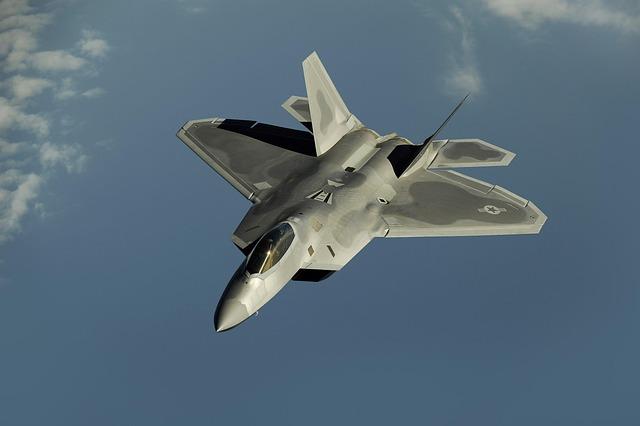
Germany and France Terminate Joint Fighter Jet Program Amid Strategic and Technical Disputes
Germany and France have officially ended their collaborative fighter jet development initiative, signaling a pivotal change in European defense cooperation. This decision stems from escalating challenges related to budget overruns, technological integration difficulties, and conflicting national defense priorities. The termination not only represents a major setback for one of Europe’s most ambitious aerospace projects but also casts uncertainty over future joint defense ventures between the continent’s two largest economies.
Underlying Causes Behind the Termination of the Franco-German Fighter Jet Project
Following years of joint efforts, the Franco-German fighter jet program was discontinued due to persistent strategic misalignments and technical complications. Initially envisioned as a hallmark of European defense unity, the partnership struggled to harmonize differing operational doctrines and industrial approaches. Key issues included contrasting stealth technology focuses, divergent combat roles, and shifting budget priorities influenced by evolving geopolitical dynamics.
Experts within the aerospace sector highlighted the immense difficulty in merging advanced avionics and propulsion technologies from both nations, which resulted in repeated delays and soaring expenses. This development is expected to reshape the trajectory of European air combat capabilities, with both countries likely to pursue independent or alternative cooperative projects moving forward. The table below summarizes the primary points of divergence:
| Aspect | Germany’s Position | France’s Position |
|---|---|---|
| Stealth Technology | Prioritizes radar signature reduction | Focuses on minimizing infrared detectability |
| Combat Doctrine | Emphasizes multi-role flexibility and rapid deployment | Centers on air superiority and extended strike range |
| Budget Allocation | Shifting funds toward unmanned aerial systems | Continues investment in manned fighter platforms |
| Industrial Strategy | Decentralized manufacturing across multiple sites | Centralized production with select national partners |
- Strategic Divergence: Conflicting defense objectives hindered unified program direction.
- Technological Integration Challenges: Combining disparate systems proved overly complex.
- Financial Pressures: Budget constraints redirected focus to other defense priorities.
Consequences for the European Defense Sector and NATO Cooperation
The discontinuation of the joint fighter jet project marks a critical juncture for the European defense industry. This development raises concerns about Europe’s capacity to sustain technological independence amid intensifying global military competition. Analysts warn that the split could stall innovation, delay next-generation combat aircraft development, and weaken the competitive edge of European aerospace manufacturers compared to U.S. and Asian rivals. Furthermore, the cancellation challenges the viability of complex multinational defense collaborations, which have been essential for pooling resources and sharing expertise.
Strategically, the impact on NATO collaboration is already becoming apparent. Experts suggest that the dissolution may undermine NATO’s unified approach to modernizing air forces, complicating interoperability and joint mission planning. Member states might need to adjust their defense procurement strategies, potentially increasing reliance on U.S.-led platforms or seeking new alliances. Key implications include:
- Decreased joint research and development investments, hindering technological alignment
- Greater dependence on American defense systems within NATO operations
- Potential shift toward nationally focused defense projects within Europe
| Area of Impact | Likely Outcomes |
|---|---|
| Industry Innovation | Postponed fighter jet advancements and disrupted supply chains |
| NATO Air Capabilities | Fragmented standards and interoperability difficulties |
| European Defense Strategy | Emphasis on national programs and possible budget reallocations |
Proposed Alternatives to Address Capability Shortfalls and Sustain Competitiveness
In light of the program’s cancellation, defense strategists and industry leaders have suggested alternative pathways to bridge capability gaps swiftly while maintaining technological leadership. Notably, bilateral technology-sharing agreements have been recommended as a pragmatic approach to accelerate development without the complexities of full program integration. Investing in modular system architectures is also advocated, enabling incremental upgrades to shared platforms and enhancing adaptability against evolving threats.
Additionally, expanding multilateral cooperation frameworks beyond the Franco-German axis is encouraged to diversify risks and pool resources more effectively. The following table outlines key alternative strategies along with their projected effects on costs, timelines, and operational readiness:
| Strategy | Cost Impact | Timeline Impact | Readiness Effect |
|---|---|---|---|
| Technology-Sharing Agreements | Moderate Cost Reduction | Accelerated Development | Enhanced Readiness |
| Modular System Design | Controlled Cost Increase | Steady Progress | Greater Flexibility |
| Multilateral Partnerships | Distributed Financial Burden | Variable Duration | Strengthened Capabilities |
| Expanded Domestic R&D | Higher Investment Required | Extended Timelines | Long-Term Technological Gains |
Calls for Strengthened Multinational Cooperation and Boosted Investment in Emerging Technologies
Following the collapse of the joint fighter jet initiative, defense analysts stress the urgent need to reinforce multinational collaboration frameworks to secure Europe’s defense future. They argue that fragmented national efforts have impeded innovation and delayed deployment schedules, warning that the shifting geopolitical environment demands more unified and agile partnerships. Key recommendations include:
- Formulating shared strategic goals that transcend individual national agendas
- Enhancing transparency and data exchange to streamline development processes
- Deepening cross-border industrial integration to optimize resource utilization
Alongside these collaborative improvements, there is a strong push for increased funding in cutting-edge technologies such as AI-powered avionics, hypersonic weapon systems, and autonomous platforms. Defense economists caution that without accelerated investment and technology transfer, Europe risks losing tactical advantages to emerging global competitors. The table below presents current investment levels and suggested increases in key technology sectors (figures in € billions):
| Technology Sector | Current Investment (€B) | Recommended Increase (%) |
|---|---|---|
| Artificial Intelligence & Autonomous Systems | 2.5 | 40% |
| Hypersonic Weaponry | 1.1 | 60% |
| Cybersecurity & Electronic Warfare | 3.0 | 30% |
Final Reflections: Navigating the Future of European Military Aviation
The termination of the Franco-German fighter jet program underscores the inherent difficulties in aligning strategic visions and industrial interests among Europe’s leading defense powers. As Germany and France reevaluate their defense postures, the outlook for European military aviation remains uncertain. This development highlights the pressing need for renewed dialogue, enhanced cooperation, and strategic investment to preserve Europe’s technological edge in an increasingly complex global security environment.