

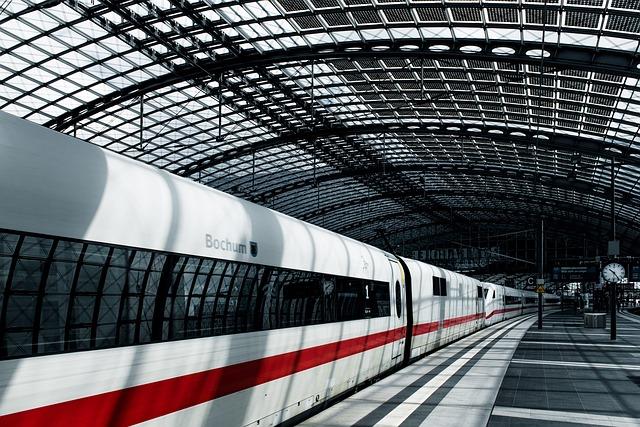
Germany’s Rail Network at a Crossroads: Navigating Policy Shifts and Operational Challenges
Government Decisions and Their Ripple Effects on Rail Operations
Germany’s railway system, a cornerstone for both passenger travel and freight logistics, is currently grappling with profound challenges triggered by recent federal policy changes. These governmental measures, driven by fiscal tightening and evolving strategic priorities, have introduced a wave of operational disruptions and uncertainty across the rail network. The consequences extend beyond mere scheduling issues, threatening economic stability and provoking widespread public dissatisfaction. This analysis explores the government’s policy shifts, their tangible effects on rail services, and the broader implications for commuters and the national economy.
How Policy Adjustments Are Affecting Rail Service Performance
While the government’s reforms aim to modernize and greenify the rail system, several unintended outcomes have emerged, undermining service efficiency. Key impacts include:
- Funding Reductions: Budgetary cutbacks have postponed essential maintenance and delayed infrastructure enhancements.
- Procurement Bottlenecks: Heightened regulatory scrutiny has slowed down the acquisition of new equipment and technology upgrades.
- Workforce Challenges: Hiring freezes and layoffs have intensified existing labor shortages, compromising punctuality and reliability.
Additionally, the prioritization of environmentally friendly initiatives has inadvertently diverted funds from critical route improvements, leading to diminished service frequency on several key corridors. The table below highlights the current operational status and planned upgrades for major rail lines:
| Route | Current Service Interval | Scheduled Enhancements |
|---|---|---|
| Berlin – Munich | Every 2 hours | Targeting hourly service by 2025 |
| Hamburg – Frankfurt | Every 3 hours | No upgrades planned |
| Cologne – Stuttgart | Every 90 minutes | Infrastructure modernization underway |
Obstacles to Modernizing Rail Infrastructure and Securing Investment
The trajectory toward a modernized rail network is impeded by several systemic challenges intensified by recent policy decisions. These hurdles include:
- Financial Limitations: Fiscal austerity measures at both federal and regional levels restrict capital available for upgrades.
- Administrative Complexities: Lengthy approval processes and bureaucratic red tape delay project initiation and completion.
- Public Dissatisfaction: Growing frustration among commuters over service degradation risks eroding political support for sustained investment.
Compounding these issues is the absence of a cohesive, long-term strategic framework to address aging infrastructure and evolving transportation needs. Contributing factors include:
| Challenge | Explanation |
|---|---|
| Technological Obsolescence | Legacy systems hinder integration of cutting-edge technologies, limiting operational efficiency. |
| Shifting Investment Focus | Funds are increasingly allocated to other infrastructure sectors, reducing rail-specific capital. |
Strategic Recommendations to Rejuvenate Germany’s Rail System
Addressing the multifaceted challenges facing Germany’s railways demands a comprehensive and innovative approach. The following strategies are essential for revitalization:
- Boosting Infrastructure Funding: Significantly increase investment in track renewal, signaling upgrades, and station refurbishments to enhance safety and dependability.
- Encouraging Public-Private Collaboration: Leverage partnerships with private enterprises to drive technological innovation and operational improvements.
- Enhancing Passenger Experience: Deploy intuitive ticketing platforms and real-time travel information systems to elevate convenience and satisfaction.
In addition, integrating sustainability and digital innovation will be pivotal:
- Green Technology Adoption: Expand the deployment of electric and hybrid trains to reduce greenhouse gas emissions and meet EU climate targets.
- Digitalization and AI: Utilize advanced analytics and artificial intelligence to optimize scheduling, predictive maintenance, and resource allocation, thereby reducing delays.
- Universal Accessibility: Ensure all stations and rolling stock accommodate passengers with disabilities, fostering inclusivity.
| Initiative | Anticipated Benefit |
|---|---|
| Infrastructure Investment | Improved reliability and safety standards |
| Public-Private Partnerships | Accelerated innovation and efficiency |
| Eco-Friendly Technologies | Reduced environmental impact |
Public Reaction and Prospective Shifts in Transportation Policy
The government’s recent funding reductions have ignited strong opposition from commuters, environmental advocates, and industry stakeholders. Many citizens express concern over declining service quality and escalating fares, perceiving these changes as contradictory to Germany’s green transport commitments. Key public concerns include:
- Accessibility Challenges: Increased difficulty for individuals reliant on public transit, including vulnerable populations.
- Environmental Setbacks: Potential rise in private car usage, undermining efforts to lower carbon emissions.
- Economic Impact: Job insecurity within the rail sector and adverse effects on regional economies dependent on rail connectivity.
Looking forward, this public discontent may catalyze a reevaluation of national transportation strategies. Emerging trends could involve:
- Inclusive Policy Development: Greater community involvement in shaping transportation priorities.
- Investment in Technological Innovation: Enhanced funding for digital and green technologies to improve service quality.
- Promotion of Sustainable Mobility: Expansion of eco-friendly transport options to attract environmentally conscious users.
| Group | Primary Concern | Potential Solution |
|---|---|---|
| Commuters | Service Dependability | Increased infrastructure investment |
| Environmental Groups | Carbon Emissions | Expansion of electric train fleets |
| Industry Professionals | Employment Stability | Support for workforce retraining programs |
Final Thoughts: Navigating the Future of Germany’s Railways
Germany’s rail system is at a pivotal moment, shaped by recent policy decisions that could redefine its operational landscape for years ahead. As a critical infrastructure backbone, disruptions reverberate through daily life and the broader economy, while also influencing the country’s environmental commitments. The coming months will be crucial as stakeholders—from policymakers to passengers—debate the optimal path forward. Ensuring a resilient, efficient, and sustainable rail network remains essential to Germany’s vision for modern transportation and climate responsibility.