
How Germany’s World Cup Defeat Dominated Media Amid National Tragedy
Sports Triumphs Over Tragedy: Media’s Uneven Focus in Germany
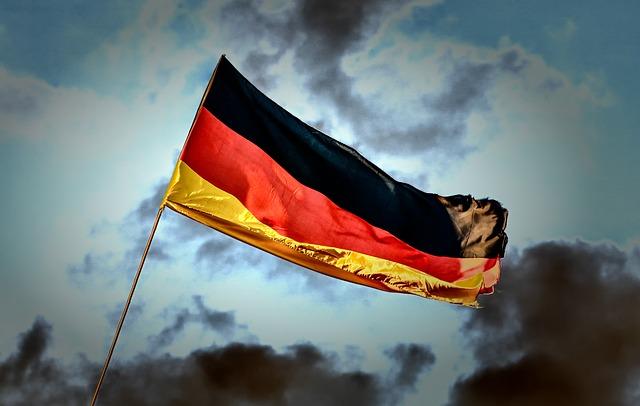
In the wake of Germany’s unexpected exit from the recent World Cup, the nation’s media landscape has been overwhelmingly saturated with football coverage, significantly eclipsing the reporting of a concurrent tragic mass shooting. According to recent analyses, this disproportionate attention underscores the immense cultural weight soccer carries in Germany, often shaping public discourse and news priorities even during moments of profound societal distress.
Critics argue that this editorial imbalance has marginalized the gravity of the shooting, which resulted in multiple fatalities and left communities reeling. A review of major German news outlets reveals a stark contrast in coverage:
- Approximately 75% of front-page headlines centered on the World Cup aftermath rather than the shooting.
- Prime-time television slots allocated more than half their airtime to match analyses and fan reactions.
- Investigative journalism on the shooting was notably sparse, limiting public understanding of the incident’s causes and consequences.
| News Source | World Cup Coverage (%) | Mass Shooting Coverage (%) |
|---|---|---|
| Der Spiegel | 68 | 20 |
| ARD | 72 | 18 |
| ZDF | 70 | 19 |
| Bild | 80 | 12 |
This skewed media focus has sparked widespread debate about journalistic ethics and the responsibility to balance entertainment with critical social issues.
The Emotional Dynamics Behind Public and Media Reactions
The collective emotional response to Germany’s World Cup defeat reveals how national sports events serve as powerful unifiers, often eclipsing other pressing societal concerns. The shared disappointment transcends individual feelings, fostering a communal sense of loss and identity. This emotional phenomenon explains why the public—and by extension, the media—may prioritize sports narratives over tragic news.
Key psychological effects observed include:
- Collective Mourning: The defeat becomes a symbolic event, promoting social solidarity and empathy.
- Tragedy Displacement: Emotional energy devoted to the sports loss reduces attention to other critical incidents.
- Heightened Identification: Fans’ deep personal connections with athletes amplify the emotional impact of the loss.
| Emotional Response | Public Behavior | Media Emphasis |
|---|---|---|
| Shock and Disbelief | Surge in social media discussions | Dominance of breaking sports news |
| Shared Sadness | Community vigils and gatherings | Reduced visibility of other tragedies |
| Unity and Support | Public displays of solidarity | Ongoing emotional narratives in coverage |
Balancing Act: Editorial Challenges in Covering Sports and Social Crises
Newsrooms face a complex challenge when major sporting events coincide with serious societal crises. The extensive focus on Germany’s World Cup loss, despite the simultaneous mass shooting, highlights the tension between attracting audience engagement and fulfilling the duty to report on critical social issues with due gravity.
To navigate this editorial dilemma, media organizations should consider the following principles:
- Relevance and Context: Ensure that coverage of significant social tragedies is not overshadowed by entertainment news.
- Audience Awareness: Acknowledge the emotional weight of tragic events and allocate appropriate attention.
- Equitable Reporting: Strive for a news environment where major cultural events and societal crises receive balanced coverage.
| Aspect | Sports Coverage | Social Crisis Coverage |
|---|---|---|
| Audience Reach | Broad and consistent | Variable, often niche |
| Emotional Tone | Entertainment and excitement | Serious and somber |
| Editorial Focus | Engagement and retention | Depth and sensitivity |
Strategies for Media to Foster Balanced and Inclusive News Narratives
Media organizations carry a vital responsibility to present a well-rounded news agenda that respects both cultural passions and societal realities, especially following tragic events. Upholding journalistic integrity means avoiding disproportionate emphasis on sensational stories at the expense of human suffering. To achieve this, newsrooms should actively diversify their editorial focus by embedding sports coverage within broader social contexts.
- Integrate Multi-Faceted Storytelling: Combine sports updates with comprehensive social issue reporting to maintain engagement without marginalizing tragedy coverage.
- Amplify Community Perspectives: Highlight voices and experiences of those affected by crises alongside mainstream narratives for richer insight.
- Implement Editorial Standards: Adopt guidelines that ensure proportional and respectful coverage aligned with societal impact.
- Leverage Data Analytics: Use audience feedback and engagement metrics to prevent skewed narratives driven solely by clicks.
| Approach | Anticipated Benefit |
|---|---|
| Balanced Editorial Panels | Enhanced public comprehension and empathy |
| Partnerships with Advocacy Groups | Greater authenticity and depth in reporting |
| Transparent Editorial Policies | Increased trust and credibility among audiences |
Final Thoughts: Reflecting on Media Priorities in Times of Crisis
The dominant media narrative surrounding Germany’s World Cup defeat, which overshadowed a devastating mass shooting, reveals the profound cultural resonance of football within the country. This case exemplifies how sports can shape collective consciousness and influence news agendas, sometimes at the expense of critical social issues. As Germany continues to navigate both its sporting disappointments and urgent societal challenges, the media’s editorial choices prompt important reflections on national identity and the ethical responsibilities of journalism during crises.