

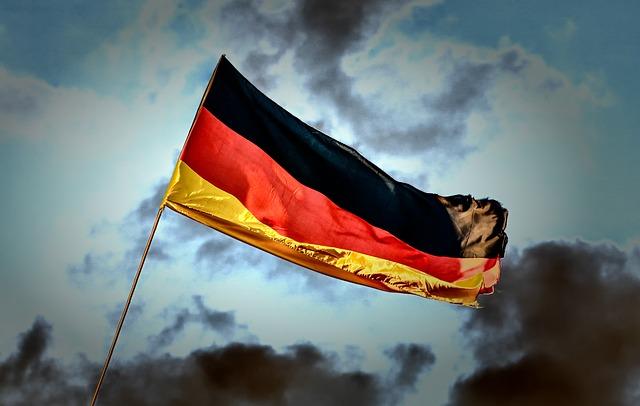
Germany Rearms: Can It Lead Europe?
In the wake of escalating geopolitical tensions and the urgent need for a robust European defense strategy, Germany finds itself at a pivotal crossroads. Historically averse to military engagement after decades defined by pacifism and a post-war identity, Berlin is now rearming at an unprecedented pace. This shift raises crucial questions: Can Germany step into the role of a leadership powerhouse in European defense? As the continent grapples with the challenges of a resurgent Russia and an unstable global order, experts at Chatham House probe the complexities of Germany’s transformation from a hesitant superpower in waiting to a decisive leader in shaping Europe’s security landscape. This article explores the implications of Germany’s military ambitions and the broader impacts on European cohesion and stability.
Germany’s Military Transformation: Assessing the Impacts of Rearmament on European Security
Germany’s recent commitment to rearmament signals a seismic shift in its military posture, with implications far beyond its borders. As Berlin invests heavily in bolstering its defense capabilities post-Russia’s invasion of Ukraine, the transformation aims not only to enhance its military readiness but also to restore its status as a crucial player in European security architecture. Central to this strategy is the establishment of a more integrated defense policy that encourages collective action among EU member states. However, key questions arise regarding Germany’s willingness and ability to lead in this new landscape:
- Military Capacity: Will increased spending translate into tangible operational capabilities?
- Political Will: Can Germany muster the resolve to assume a leadership role amid varied national interests in Europe?
- Strategic Partnerships: How will Germany balance its intentions with expectations from NATO and EU allies?
The ramifications of this rearmament will ripple through Europe, reshaping long-held perceptions about security and deterrence. As the continent grapples with challenges ranging from hybrid warfare to evolving threats from state and non-state actors, Germany’s military overhaul could serve as a catalyst for a more united and robust European defense posture. However, success hinges on Germany’s ability to forge strong partnerships, maintain strategic coherence, and ensure that its goals align with collective European interests, thereby enhancing stability and security across the region.
| Key Indicators | 2022 | 2024 (Projected) |
|---|---|---|
| Defense Budget (in Billion Euros) | 53 | 75 |
| Troop Numbers (Active) | 184,000 | 200,000 |
| Military Exercises Conducted | 15 | 25 |
Navigating Leadership Challenges: Can Germany Overcome Its Hesitance as a Defense Power?
The geopolitical landscape of Europe is shifting, compelling Germany to address its longstanding ambivalence about military engagement. Following decades of post-war restraint, recent global events have exposed vulnerabilities not only within Germany’s defense structure but also in its willingness to be a security leader. This moment of reckoning raises critical questions: Can Germany move past its historical hesitance to embrace the role of a defense power, and what implications would this shift have for both the nation and its European partners? Several factors are integral to understanding this transformation:
- Public Sentiment: The German populace has historically been skeptical about military involvement. A significant change in this perspective is necessary for robust defense initiatives.
- Political Will: The government must unify political factions to create a clear and assertive defense policy that aligns with NATO commitments.
- Geostrategic Partnerships: Strengthening alliances with key European neighbors is crucial for collective defense and regional stability.
- Military Modernization: Substantial investments in technology and personnel are required to ensure readiness and effectiveness in a modern context.
Moreover, Germany faces the challenge of not only establishing itself as a military leader but also balancing its pro-European stance with national interests. While the country is poised to increase its defense budget, there remains a gap between ambition and execution. To navigate these complexities, Germany could benefit from greater transparency in military objectives and enhanced communication channels within international frameworks. A greater emphasis on collaborative military exercises and proactive diplomacy will further solidify Germany’s role as a stabilizing force in Europe. The path ahead will determine whether Germany can indeed rise not just as a rearmed nation, but as a trustworthy and effective leader on the European stage.
Strategic Partnerships and Alliances: Key Collaborations for Germany’s Enhanced Defense Role
The evolving landscape of European defense is increasingly dependent on strategic partnerships and alliances that can bolster Germany’s rearmament initiatives. As Germany shifts its military focus, collaborative efforts with NATO allies and EU partners become essential to ensure regional stability. These relationships are framed by several key factors: shared intelligence, joint military exercises, and co-development of defense technologies. Heightening these collaborations not only fosters interoperability but also enhances collective security against emerging threats. The role of the United States remains pivotal, especially regarding military funding and advanced technology transfers, while Germany also seeks deeper ties within the EU framework to strengthen continental defense capabilities.
Amidst this backdrop, Germany’s engagement with eastern European countries presents an opportunity to redefine its leadership role in NATO. Potential collaborations include: bilateral defense agreements, capacity-building initiatives, and participation in multinational defense forces. The chart below outlines potential partner nations, current collaboration focus, and projected contributions to the enhanced defense strategy:
| Partner Nation | Collaboration Focus | Projected Contributions |
|---|---|---|
| Poland | Joint Military Exercises | Increased troop mobility |
| Czech Republic | Defense Technology Development | Shared R&D investments |
| Estonia | Cyber Defense Initiatives | Enhanced Cybersecurity Measures |
Future of German Defense: Recommendations for a More Proactive European Superpower
In light of evolving geopolitical landscapes, Germany’s commitment to rearming presents a unique opportunity to redefine its role within the European defense structure. This pivot requires a comprehensive strategic vision that prioritizes collaboration over unilateral action. Essential steps include:
- Enhanced Military Cooperation: Partnering more closely with NATO allies and EU nations to ensure rapid response capabilities.
- Increased Investment in Defense Tech: Fostering innovation through public-private partnerships to strengthen Europe’s technological edge.
- Establishment of a European Defense Fund: Pooling resources from member states to finance joint projects and capabilities.
Additionally, Germany must cultivate a more assertive diplomatic posture to solidify its leadership within Europe. This can be achieved by:
- Leading Multinational Initiatives: Taking charge of joint exercises and deployments to enhance military readiness.
- Promoting a Unified European Strategy: Advocating for a comprehensive framework that addresses regional security challenges collectively.
- Engaging with Non-EU Allies: Strengthening ties with nations outside the EU to create a broader coalition in defense endeavors.
| Key Area | Recommended Action |
|---|---|
| Military Collaboration | Joint training exercises |
| Defense Technology | Start-ups and R&D funding |
| Diplomatic Engagement | Building strategic alliances |
In Retrospect
In conclusion, Germany’s rearmament represents a pivotal shift in Europe’s security landscape, one that poses both opportunities and challenges. As Berlin embarks on its journey to assume a more proactive role in defense, questions linger about its capacity and willingness to lead in a continent defined by complex dynamics and historical sensitivities. With strategic partnerships and geopolitical considerations at play, Germany must navigate a cautious path toward becoming Europe’s guiding force while ensuring unity among its allies. As the continent watches closely, the effectiveness of this hesitant superpower in waiting will greatly influence the future of European security and stability. The coming months will be critical in determining whether Germany can transcend its historical hesitations and embrace the leadership role that many believe it is destined to fulfill.