

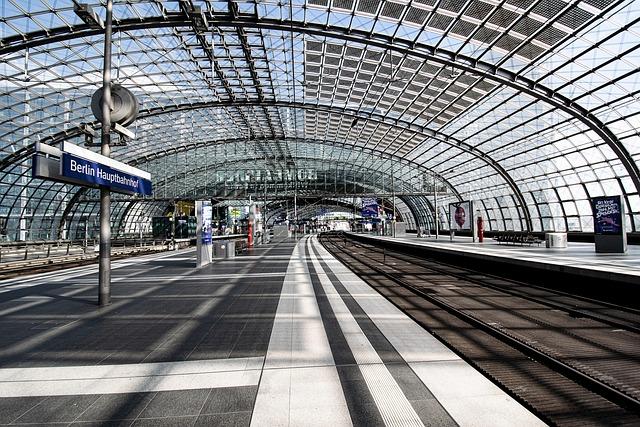
Berlin Station has emerged as the leading hotspot for railway-related crime in Germany, according to recent reports. As incidents of violence continue to escalate across the country’s rail network, authorities are grappling with rising safety concerns for passengers and staff alike. This surge in criminal activity at the capital’s main rail hub underscores growing challenges for law enforcement and railway operators aiming to restore security and confidence in public transportation.
Berlin Station Emerges as Leading Hotspot for Railway-Related Crime in Germany
Recent data from German railway authorities reveals a worrying escalation in criminal activities at Berlin’s main railway station, marking it as the primary hotspot nationwide. Incidents ranging from theft and vandalism to violent confrontations have surged dramatically over the past year, raising concerns among commuters and law enforcement. This rise in railway-related crime not only disrupts daily travel but also deepens safety anxieties for thousands of passengers passing through the station daily.
Authorities have identified several key factors contributing to the crime increase, including inadequate surveillance and a growing presence of organized groups. In response, enhanced security measures are being rolled out, including increased patrols and installation of advanced monitoring systems. The following table provides a concise overview of the reported crime types and their relative frequency at Berlin station compared to other major German railway hubs:
| Crime Type | Berlin Station (%) | Other Major Stations (%) |
|---|---|---|
| Theft | 48 | 30 |
| Vandalism | 22 | 15 |
| Violent Assault | 18 | 9 |
| Drug-related offenses | 12 | 7 |
- Expanded CCTV coverage expected by year-end.
- Increased police visibility and intervention units.
- Community outreach programs to help reduce criminal tendencies.
Rising Violence on German Trains Sparks Safety Concerns Among Commuters
Recent data reveals a troubling spike in criminal incidents across Germany’s railway network, with Berlin’s central station emerging as the most affected hotspot. Passengers and commuters have reported an increase in aggressive behaviors ranging from verbal harassment to physical assaults, raising significant public safety concerns. Authorities attribute the surge to a combination of socio-economic pressures and strained law enforcement resources, prompting calls for more comprehensive security measures.
Key factors contributing to the rise in violence include:
- Insufficient police presence during peak hours
- Growing socioeconomic disparities in urban areas
- Increased alcohol and drug-related offenses
- Lack of rapid incident response systems
| Station | Reported Incidents (2023) | Safety Measures Implemented |
|---|---|---|
| Berlin Central | 1,340 | Increased patrols, CCTV upgrades |
| Munich Hbf | 780 | Community engagement programs |
| Frankfurt Main | 620 | Enhanced lighting, emergency call stations |
In-Depth Analysis of Contributing Factors Behind Surge in Rail Crime
The marked increase in offenses around Berlin’s railway stations can be linked to several intertwined social and economic issues. Firstly, rising unemployment and social disenfranchisement in urban areas have fostered environments where petty crimes such as pickpocketing, vandalism, and assaults are more prevalent. Additionally, reduced visibility and inadequate policing during off-peak hours have created opportunities for criminal activities to flourish unchecked. Experts note that the complexity of maintaining security in sprawling transport hubs often results in inconsistent enforcement, further emboldening offenders.
Key contributing factors include:
- Socioeconomic disparities driving increased desperation among marginalized groups
- Limited surveillance infrastructure in critical station zones
- Insufficient night-time security personnel presence
- Growth in substance abuse affecting passenger and staff behavior
| Factor | Impact Level | Suggested Measure |
|---|---|---|
| Unemployment Rate | High | Job creation programs near stations |
| Surveillance Cameras | Medium | Upgrade and expand coverage |
| Police Patrols | High | Increase frequency during vulnerable hours |
| Public Awareness | Medium | Community policing initiatives |
Calls for Enhanced Security Measures and Policy Reforms to Protect Passengers
The alarming rise in violent incidents at Berlin’s train stations has sparked urgent appeals from community leaders, advocacy groups, and railway officials alike. They emphasize the need for comprehensive security overhauls that include increased police presence, improved surveillance technology, and enhanced staff training to manage volatile situations effectively. These measures aim to restore passengers’ confidence and ensure safe transit environments amid growing concerns over public safety.
In addition to physical security upgrades, experts call for policy reforms focused on prevention and accountability. This includes stricter penalties for offenders, better coordination between federal and local authorities, and expanded victim support services. The proposed multi-layered approach targets not only the symptoms but also the root causes of violent behavior on railways, promising a safer travel experience for millions.
- 24/7 security patrols: Increasing police and security team rotations at major stations.
- State-of-the-art CCTV: Deploying AI-powered cameras for real-time threat detection.
- Passenger awareness programs: Educating travelers on reporting suspicious activities.
- Inter-agency collaboration: Synchronizing efforts between transport authorities and law enforcement.
| Security Focus | Proposed Action | Expected Outcome |
|---|---|---|
| Surveillance | Expand camera networks with AI monitoring | Faster incident response |
| Law Enforcement | Increase on-site personnel | Deterrence of violent acts |
| Passenger Safety | Launch awareness campaigns | Higher reporting and vigilance |
| Policy | Strengthen legal penalties | Reduce repeat offenses |
Final Thoughts
As Berlin Station continues to lead the list of railway crime hotspots in Germany, authorities face mounting pressure to address the surge in violence affecting commuters and staff alike. This troubling trend underscores the urgent need for enhanced security measures and community engagement to restore safety and confidence across the nation’s transportation network. Stakeholders are now calling for coordinated efforts to tackle the root causes behind the spike in offenses, aiming to ensure that Germany’s railways remain a secure and reliable mode of travel for all.