


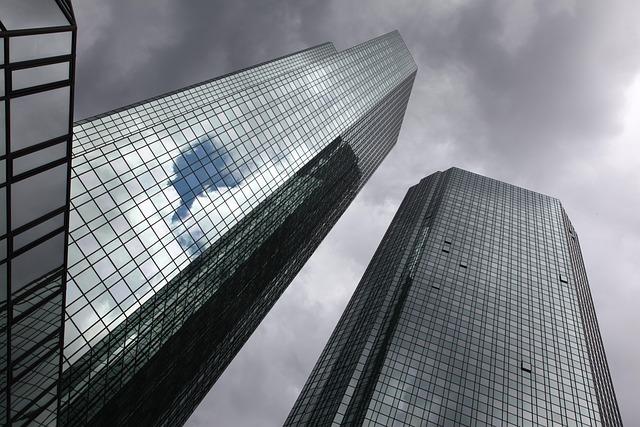
Germany’s Political Shifts Raise Alarms Over Foreign Investment Prospects
Deutsche Bank’s CEO, Christian Sewing, has recently sounded a cautionary note regarding Germany’s evolving political environment, emphasizing potential risks to the country’s ability to attract international investors. Addressing a forum of financial experts and industry leaders, Sewing highlighted how the nation’s changing political landscape could undermine economic confidence and growth trajectories. As Europe’s largest economy faces these uncertainties, the interplay between political governance and market trust becomes increasingly critical in a fiercely competitive global investment arena.
Political Volatility and Its Impact on Investor Sentiment
Christian Sewing’s concerns stem from several emerging political trends that may unsettle foreign investors. The fragmentation of political parties and heightened polarization have introduced ambiguity about future policy directions. Additionally, abrupt regulatory shifts and ongoing economic pressures—such as inflation and slower GDP growth—compound investor apprehensions. These factors collectively elevate the perceived risk of investing in Germany, a country traditionally viewed as a bastion of economic stability.
- Political Fragmentation: Increasing divisions among parties create unpredictability in legislative agendas.
- Regulatory Instability: Sudden policy changes can disrupt long-term investment planning.
- Economic Headwinds: Inflationary trends and tepid growth dampen profitability expectations.
To counteract these challenges, Deutsche Bank advocates for enhanced transparency and policy consistency. Clear communication from government bodies regarding economic strategies and regulatory intentions could help restore investor confidence. Furthermore, reinforcing international partnerships and committing to policies that prioritize economic stability are essential steps to maintain Germany’s appeal as a prime investment destination.
| Political Factor | Effect on Investment Climate |
|---|---|
| Political Polarization | Elevates uncertainty and risk perception |
| Regulatory Fluctuations | Discourages sustained capital commitments |
| Economic Slowdown | Raises doubts about returns and growth |
Financial Sector’s Adaptive Strategies Amid Political Uncertainty
In response to Germany’s shifting political terrain, financial institutions are recalibrating their investment approaches to mitigate emerging risks. Industry leaders, including Deutsche Bank’s executives, emphasize the necessity of revisiting risk models to account for potential policy volatility. This cautious stance has led to a more measured flow of foreign direct investment, with many investors adopting a wait-and-see attitude.
Key strategic adjustments include:
- Forging Stronger Local Alliances: Partnering with domestic companies to gain nuanced market insights and operational flexibility.
- Comprehensive Scenario Planning: Evaluating multiple political and regulatory outcomes to better anticipate risks.
- Expanding Geographic Reach: Diversifying portfolios beyond Germany to balance exposure and capitalize on more stable markets.
These tactics not only protect assets but also position investors to seize opportunities that may arise from the evolving political context. The agility of financial strategies will be pivotal in sustaining investor trust during this period of flux.
Strengthening Investor Relations: Building Confidence Through Transparency
Given the current political uncertainties, companies must prioritize transparent and proactive communication with investors. Effective engagement can alleviate concerns and foster a climate of trust. Recommended practices include:
- Consistent Information Sharing: Regular updates on economic conditions and corporate plans to keep stakeholders well-informed.
- Interactive Platforms: Hosting webinars and Q&A sessions to directly address investor queries about political developments.
- Expert Insights: Collaborating with political and economic analysts to provide informed perspectives on policy impacts.
- Contextualized Messaging: Tailoring communications to reflect regional nuances and societal attitudes.
Moreover, transparent disclosure of political risk assessments and mitigation strategies can further solidify investor confidence. Establishing clear frameworks to monitor and respond to risks is essential. For example:
| Risk Type | Mitigation Approach |
|---|---|
| Regulatory Volatility | Implement dynamic compliance tracking systems |
| Market Fluctuations | Diversify assets and adjust risk exposure proactively |
| Shifts in Public Opinion | Engage in community initiatives to strengthen brand loyalty |
Looking Ahead: Strategies to Reinforce Germany’s Investment Appeal
As Germany continues to navigate its complex political realignments, the outlook for foreign investment hinges on the country’s ability to project stability and openness. Investors remain cautious about policy unpredictability, coalition compromises, and a rising emphasis on nationalism that may prioritize domestic industries over foreign capital.
- Uncertain Policy Environment: Frequent changes in taxation and regulation create challenges for long-term planning.
- Coalition Complexities: Diverse political alliances may dilute pro-business reforms.
- Nationalistic Trends: Growing focus on local economic interests could limit foreign participation.
To enhance its attractiveness, Germany could consider the following initiatives:
| Proposed Action | Expected Benefit |
|---|---|
| Simplify Regulatory Frameworks | Facilitates smoother business operations |
| Reaffirm Commitment to Open Markets | Boosts investor confidence and capital inflows |
| Expand Innovation Funding | Attracts cutting-edge technology investments |
Balancing national priorities with global economic integration will be crucial. Proactive dialogue with stakeholders and a clear, consistent investment policy can help Germany maintain its position as a leading destination for foreign capital in the years ahead.
Conclusion: Navigating Political Change to Secure Economic Stability
Christian Sewing’s warnings highlight a pivotal moment for Germany’s economic future. The nation’s political transformations pose tangible risks to investor confidence, potentially reshaping the flow of foreign capital. As policymakers and business leaders confront these challenges, fostering transparency, stability, and strategic engagement will be vital to preserving Germany’s reputation as a reliable and attractive investment hub. The coming months will be decisive in determining how effectively Germany balances its political ambitions with the imperatives of economic growth and global competitiveness.


