


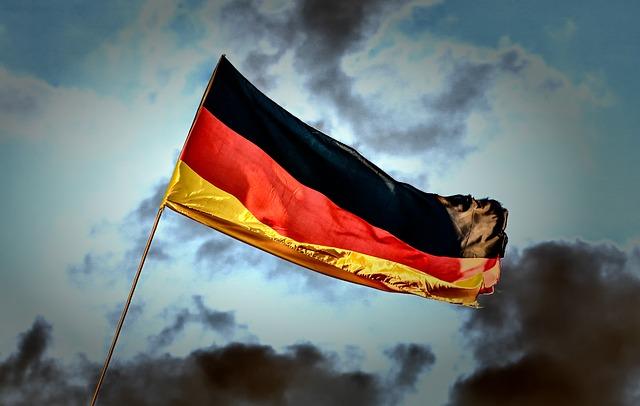
Germany’s Far-Right Surge: A Turning Point for European Politics
The Growing Influence of Far-Right Politics in Germany
In a remarkable political upheaval, Germany’s Alternative for Germany (AfD) party has secured significant victories in recent elections, marking a notable shift in the country’s political dynamics. This rise reflects a growing appeal of nationalist and anti-immigration ideologies among a segment of the German population increasingly disillusioned by economic uncertainties and cultural anxieties. The AfD’s platform, which champions national sovereignty, strict immigration controls, and skepticism towards the European Union, resonates with voters who feel marginalized by rapid globalization and social change.
This political development has sparked widespread concern across Europe, as experts warn that the AfD’s success could inspire similar far-right movements in neighboring countries, potentially destabilizing the continent’s political equilibrium. Key drivers behind the AfD’s momentum include:
- Economic frustrations: Rising inflation and widening income disparities have pushed voters toward more radical political alternatives.
- Immigration pressures: Increased migration flows have intensified fears about cultural preservation and social integration.
- Populist messaging: The AfD effectively positions itself as the authentic voice of citizens disenchanted with traditional parties.
Consequences for European Unity and Cooperation
The AfD’s electoral gains raise critical questions about the future cohesion of the European Union. Their nationalist agenda challenges long-standing commitments to collective decision-making and open borders, threatening to fragment the political consensus that has underpinned European integration for decades. Analysts caution that the party’s rise could trigger a domino effect, encouraging far-right factions across Europe to push for more isolationist and protectionist policies.
Several potential impacts on the EU’s political and economic landscape include:
- Escalation of political polarization: The AfD’s success may embolden extremist groups, deepening societal divisions.
- Legislative deadlock: Nationalist priorities could stall EU-wide reforms on critical issues like climate policy and migration.
- Economic disruption: Protectionist tendencies risk undermining the single market and complicating trade relations.
| Potential Impact | Explanation |
|---|---|
| Surge in Euroscepticism | Growing public support for parties opposing deeper EU integration. |
| Resistance to EU Policies | Member states may increasingly reject EU directives, complicating unified action. |
| Heightened Social Divisions | Intensified debates over immigration and multiculturalism strain societal cohesion. |
Nationalism’s Broader Surge Across Europe
The AfD’s electoral breakthrough is part of a wider pattern of rising nationalist sentiment throughout Europe. Economic instability, immigration concerns, and fears over cultural identity have fueled support for far-right parties in multiple countries. This trend reflects a growing desire among voters for policies that prioritize national interests and traditional values.
Several factors underpin this continental shift:
- Economic hardship: Post-pandemic recovery challenges, soaring energy costs, and inflation have heightened public unease.
- Immigration and assimilation issues: Perceptions of inadequate immigration control have stoked fears about social cohesion.
- Perceived erosion of cultural heritage: Many citizens feel their national identities are threatened by globalization and multiculturalism.
To illustrate this trend, the table below highlights recent electoral performances of prominent far-right parties across Europe:
| Country | Party | Election Year | Vote Share |
|---|---|---|---|
| France | Rassemblement National | 2022 | 41% |
| Italy | Lega | 2022 | 26% |
| Netherlands | Party for Freedom | 2021 | 17% |
| Sweden | Sweden Democrats | 2022 | 20% |
This widespread rise in nationalist politics underscores the urgent need for European leaders to address the root causes of voter discontent and to reinforce the principles of unity and inclusion that have long defined the European project.
Approaches to Countering Far-Right Influence
In response to the growing traction of far-right parties, a comprehensive strategy is essential to uphold democratic values and social harmony. Key measures include:
- Community engagement: Promoting open dialogue among diverse groups to foster mutual understanding and reduce polarization.
- Educational programs: Enhancing critical thinking and media literacy to combat misinformation and extremist propaganda.
- Building alliances: Strengthening cooperation between civil society, grassroots movements, and political actors to champion inclusivity.
- Addressing socioeconomic grievances: Investing in job creation, social services, and integration initiatives to alleviate the conditions that fuel radicalization.
- Utilizing digital platforms: Deploying counter-narratives on social media to challenge far-right recruitment and spread accurate information.
By implementing these strategies, European societies can build resilience against the normalization of extremist ideologies and protect the democratic fabric of the continent.
Conclusion: Navigating a New Political Era
The Alternative for Germany’s recent electoral achievements represent more than a national political shift; they signal a potential realignment of European politics with far-reaching consequences. This development challenges the European Union’s foundational ideals of cooperation, diversity, and democratic governance.
As Germany confronts the challenges posed by the AfD’s rise, the broader European community must grapple with the implications for unity and stability. The coming months will be critical in determining whether democratic institutions can withstand the pressures of rising populism and nationalism.
Ultimately, the response to this political transformation will shape the future of Europe’s identity, its commitment to inclusion, and the resilience of its democratic values in an increasingly complex global landscape.


