


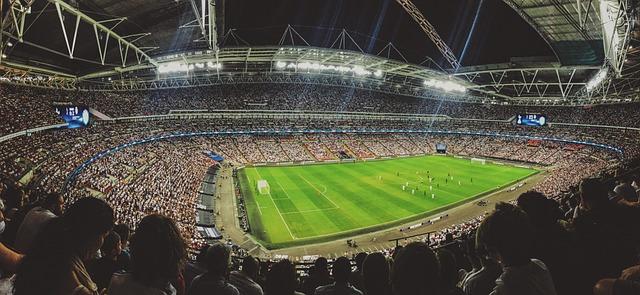
Germany’s Unexpected Exit: A Comprehensive Review and Future Outlook
Stunning Defeat Shakes German Football Fans Worldwide
The final moments of the tournament brought a heartbreaking conclusion for Germany’s national team, extinguishing their ambitions of securing the championship. Despite moments of exceptional play throughout the competition, the squad faltered when it mattered most, succumbing to tactical errors and uncharacteristic mistakes. What started as a hopeful journey quickly unraveled, leaving supporters stunned as crucial scoring opportunities slipped away and defensive mistakes proved costly.
Key challenges that defined the match included:
- Squandered scoring chances: Multiple clear opportunities were missed, disrupting the team’s momentum and confidence.
- Defensive lapses: Critical errors in defense allowed opponents to capitalize and score decisive goals.
- Midfield struggles: Difficulty in maintaining possession enabled the opposition to control key phases of the game.
| Statistic | Germany | Opponents |
|---|---|---|
| Shots on Target | 5 | 8 |
| Possession (%) | 48% | 52% |
| Pass Accuracy (%) | 82% | 86% |
| Fouls Committed | 12 | 9 |
Critical Turning Points That Determined Germany’s Downfall
The defeat can be attributed to several decisive moments that disrupted Germany’s game plan and morale. Early defensive mistakes allowed the opposition to exploit set-piece opportunities, quickly shifting the momentum. The midfield failed to establish control during the initial 20 minutes, leading to rushed decisions and errors under pressure. Additionally, key players did not deliver the expected impact, which further exposed the team to swift counterattacks.
Notable moments that shaped the outcome include:
- Missed goal-scoring opportunities: At least three clear chances were wasted by forwards facing intense defensive pressure, which could have changed the game’s trajectory.
- Midfield possession losses: Losing the ball in vulnerable areas allowed opponents to launch rapid attacks.
- Delayed substitutions: Tactical changes were introduced too late to significantly influence the match’s flow.
| Event | Effect | Minute |
|---|---|---|
| Early conceded goal | Forced defensive reshuffle | 8′ |
| Missed penalty kick | Lost opportunity to level the score | 37′ |
| Late tactical substitution | Minimal influence on gameplay | 75′ |
Evaluating Individual Player Contributions Post-Defeat
Following the unexpected loss, scrutiny intensified on Germany’s players, with many questioning their individual performances. While there were brief flashes of skill, inconsistency plagued the squad, which many analysts believe was a key factor in the defeat. Several prominent players appeared disconnected during crucial moments, raising doubts about their current form and psychological readiness under pressure.
Below is a summary of selected players’ performance metrics from the match:
| Player | Pass Accuracy (%) | Chances Created | Tackles Won | Match Rating |
|---|---|---|---|---|
| Thomas Müller | 82 | 4 | 1 | 7.2 |
| Kai Havertz | 75 | 2 | 0 | 6.1 |
| Antonio Rüdiger | 88 | 0 | 5 | 7.5 |
| Julian Brandt | 68 | 1 | 1 | 5.7 |
- Defensive resilience weakened as key duels were lost.
- Creativity was limited due to a lack of incisive passing.
- Individual mistakes significantly contributed to conceding crucial goals.
Essential Tactical Revisions for Upcoming Competitions
Germany’s premature departure from the tournament highlights the pressing need for a strategic revamp. Experts advocate for a more fluid midfield approach and adaptable defensive setups to counter the increasingly diverse tactics seen in international football. The current system’s rigidity appears to limit player creativity and disrupt smooth transitions between defense and attack. Embracing flexible game plans that can be adjusted in real-time will be vital for restoring Germany’s competitive edge.
In addition to tactical adjustments, the team must invest heavily in nurturing young talent and expanding scouting networks to build a resilient squad capable of thriving under global pressure. Psychological strength and team unity will also be critical components in overcoming high-pressure scenarios. Key focus areas for future development include:
- Redefining player roles to emphasize adaptability and inventive playmaking.
- Improving physical fitness to enhance stamina and minimize injury risks.
- Incorporating advanced training techniques utilizing data analytics for performance optimization.
- Building deeper squad depth to sustain competitive intensity throughout tournaments.
| Focus Area | Current Status | Targeted Improvement |
|---|---|---|
| Midfield Dominance | Erratic | Greater Creativity and Flexibility |
| Physical Conditioning | Moderate | Enhanced Endurance and Recovery |
| Squad Depth | Limited | Robust Rotation and Bench Strength |
Final Thoughts: Reflecting on the Journey and Looking Forward
As the tournament concluded, Germany’s campaign ended in a surprising and disheartening fashion, leaving fans worldwide in disbelief. What began with high hopes and promising performances ultimately fell short, underscoring the necessity for introspection and strategic rebuilding. This chapter in German football history captures the rollercoaster of ambition, resilience, and the harsh realities of elite competition. Supporters now turn their gaze to the future, optimistic that with thoughtful adjustments and renewed vigor, the national team will reclaim its status on the global stage.


