
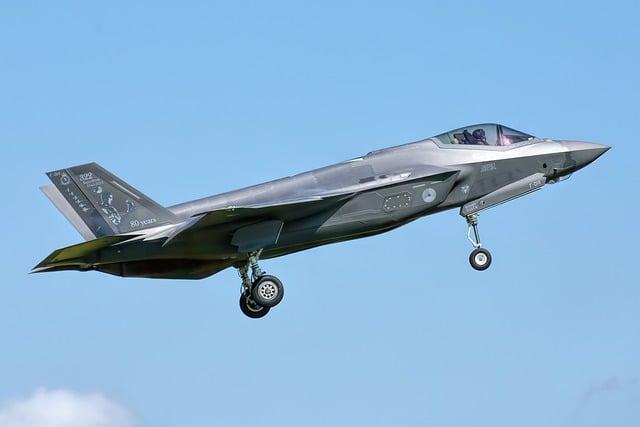
Germany’s Acquisition of F-35 Jets: Ushering in a New Chapter in Defense Modernization
Germany has taken a monumental leap in upgrading its military strength by officially receiving its inaugural fleet of F-35 fighter jets. This milestone is a cornerstone in the country’s ongoing efforts to modernize its armed forces, reflecting a strategic response to the shifting geopolitical landscape. The deployment of these cutting-edge stealth fighters not only reinforces Germany’s dedication to NATO commitments but also solidifies its position as a key military power within Europe. As global observers analyze the ramifications, the Luftwaffe’s integration of the F-35 is set to transform the future of European defense.
Transforming Germany’s Defense Capabilities with the F-35
Germany’s recent induction of the F-35 Lightning II signifies a transformative phase in its defense strategy, elevating the nation’s air combat capabilities to new heights. Renowned for its stealth features and multifaceted combat roles, the F-35 will significantly boost the Luftwaffe’s operational readiness and technological sophistication. This acquisition is part of Germany’s broader initiative to revamp its air fleet, ensuring preparedness against emerging security threats in an increasingly unpredictable global environment.
Key attributes of the F-35 that enhance Germany’s defense posture include:
- Stealth Design: Minimizes radar visibility, enabling covert operations.
- State-of-the-Art Avionics: Incorporates advanced sensor fusion and real-time data sharing.
- Versatile Combat Roles: Effective in both air superiority and precision ground strikes.
- Seamless NATO Integration: Ensures compatibility with allied communication and combat systems.
To fully leverage the F-35’s capabilities, Germany is investing heavily in supporting infrastructure, including:
| Focus Area | Initiative Details |
|---|---|
| Comprehensive Training | Establishing rigorous pilot and technical crew education programs. |
| Supply Chain Development | Creating robust logistics networks for parts and maintenance support. |
| Base Modernization | Upgrading airbases to accommodate F-35 operational requirements. |
Implications for NATO and the European Defense Landscape
Germany’s entry into the F-35 program marks a strategic enhancement for NATO’s collective defense framework, reinforcing the alliance’s deterrence capabilities amid rising global tensions. This development not only elevates Germany’s military readiness but also strengthens transatlantic security ties, prompting a reassessment of defense strategies across Europe.
The acquisition presents several strategic considerations:
- Enhanced Alliance Interoperability: The F-35’s advanced systems facilitate smoother joint operations among NATO members.
- Recalibration of Transatlantic Relations: As European nations upgrade their arsenals, the dynamics of U.S.-Europe defense cooperation may evolve.
- Regional Defense Competition: Neighboring countries might accelerate their own military modernization efforts in response.
| Nation | Fighter Jet Model | Year Introduced |
|---|---|---|
| Germany | F-35 | 2023 |
| France | Rafale | 2004 |
| Spain | Eurofighter Typhoon | 2003 |
Germany’s bold move is expected to catalyze deeper defense collaboration within the EU, particularly under frameworks like PESCO and the European Defence Fund. This step could inspire other member states to accelerate their modernization programs, ensuring NATO’s continued strategic edge.
Navigating Integration Challenges of F-35s into the Luftwaffe
Incorporating the sophisticated F-35 platform into the Luftwaffe’s existing structure presents a series of operational and strategic challenges that Germany must carefully manage to optimize effectiveness.
Key operational hurdles include:
- Maintenance Overhaul: Adapting to the F-35’s complex systems demands revamping current maintenance and logistics frameworks.
- Extensive Training Needs: Pilots and ground personnel require specialized training, which may stretch existing resources.
- System Compatibility: Ensuring flawless integration with legacy Luftwaffe assets is essential for mission cohesion.
Strategic factors to consider encompass:
- Budgetary Pressures: Balancing the high costs of acquisition and upkeep with other defense priorities.
- Political Dynamics: Coordinating joint NATO exercises may influence domestic and international political landscapes.
- Cybersecurity Concerns: Protecting the F-35’s advanced digital systems from cyber threats is paramount.
| Challenge | Potential Impact |
|---|---|
| Training Investment | Requires substantial upfront funding |
| Operational Readiness | Gradual ramp-up to full combat capability |
| Joint Mission Integration | Critical for effective multinational operations |
Strategies to Maximize F-35 Operational Potential
To fully harness the F-35’s advanced capabilities, Germany should adopt a multifaceted approach aimed at boosting operational efficiency and readiness:
- Collaborative Training Initiatives: Engage in joint exercises with NATO allies to enhance interoperability and tactical coordination.
- Proactive Maintenance Systems: Employ predictive maintenance technologies to minimize downtime and extend aircraft lifespan.
- Data-Driven Operational Planning: Utilize sophisticated analytics for mission optimization and threat evaluation.
- Robust Cybersecurity Frameworks: Implement stringent security protocols to safeguard sensitive systems and data.
Strengthening partnerships within NATO through shared intelligence and coordinated defense strategies will amplify Germany’s contribution to regional security. The following strategic priorities can guide this integration:
| Strategic Focus | Implementation Approach |
|---|---|
| Joint Capability Enhancement | Coordinate multinational mission planning and resource sharing. |
| Investment in Human Capital | Allocate funds for specialized training and recruitment of technical experts. |
| Public Engagement | Promote transparency and foster community support for defense initiatives. |
Conclusion: Germany’s F-35 Acquisition and the Future of European Security
The arrival of Germany’s first F-35 jets heralds a transformative phase in the nation’s defense evolution. This strategic procurement not only amplifies Germany’s military prowess but also underscores its unwavering commitment to NATO and collective European security amid a complex global environment. By integrating the F-35’s advanced technology, Germany is poised to operate more effectively alongside its allies, enhancing interoperability and readiness. As geopolitical tensions continue to evolve, this development will be closely scrutinized for its impact on European defense dynamics. Ultimately, Germany’s embrace of the F-35 sets a precedent for modernization that could reshape the continent’s security architecture for decades to come.