


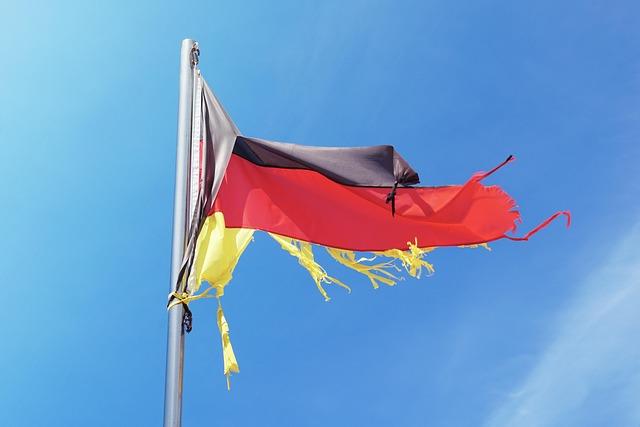
Envisioning Germany Under AfD Leadership: A New Political Horizon
As Germany’s political environment undergoes significant transformation, the Alternative for Germany (AfD) party has emerged from the periphery to become a formidable force. Once regarded as a marginal group, the AfD has increasingly resonated with voters concerned about immigration, national identity, and economic stability. This article provides an in-depth analysis of what a Germany governed by the AfD might look like, focusing on the party’s policy proposals, electoral tactics, and the broader societal consequences of its rise. As the country approaches a decisive juncture in its democratic journey, it is crucial for citizens and decision-makers to grasp the potential realities of an AfD-led administration. We will explore the party’s ideological roots, the demographics driving its support, and the possible scenarios that could redefine Germany’s political and social landscape.
AfD’s Emergence and Its Transformative Effect on German Politics
The Alternative for Germany (AfD) has swiftly evolved from a minor political entity into a major contender within Germany’s political arena. Founded initially as a reaction to the Eurozone financial crisis, the party has since harnessed growing dissatisfaction related to immigration policies and Germany’s role in the European Union. This evolution has sparked a surge in nationalist populism, appealing to voters who feel neglected by mainstream parties. The rise of the AfD presents a significant challenge to established political groups such as the Christian Democratic Union (CDU) and the Social Democratic Party (SPD), compelling them to reconsider their platforms or risk losing substantial voter segments.
If the AfD continues its upward trajectory, Germany could witness notable shifts in policy, including:
- Enhanced Immigration Restrictions: Implementation of stringent border controls and a reduction in immigration flows.
- Reassessment of EU Membership: Calls for renegotiating Germany’s commitments within the EU, with potential withdrawal from key agreements.
- Nationalist Economic Policies: Emphasis on protecting domestic industries and prioritizing local economic interests over global trade.
This political shift could trigger a realignment within Germany’s party system, forcing traditional parties to adapt to the evolving electorate. The table below summarizes the anticipated policy changes and their potential effects:
| Policy Domain | AfD’s Stance | Potential Consequences |
|---|---|---|
| Immigration | Strict limitations | Reduced cultural diversity |
| Economic Policy | Protectionism | Preference for local businesses, possible trade conflicts |
| Foreign Affairs | EU skepticism | Risk of diplomatic isolation |
AfD’s Economic Strategy: A Nationalist Reorientation
The AfD envisions a fundamental overhaul of Germany’s economic framework, prioritizing nationalist and protectionist principles. Their “Germany First” doctrine emphasizes safeguarding domestic interests above international obligations. Key elements of their economic agenda include:
- Tax Cuts: Substantial reductions in both personal and corporate taxes aimed at boosting domestic investment and consumer spending.
- Deregulation: Simplifying administrative procedures to foster a more business-friendly environment.
- Trade Barriers: Introducing tariffs and other measures to shield German industries from foreign competition.
- Public Investment: Increased funding for infrastructure projects and energy independence, with a focus on traditional energy sources like coal and natural gas.
While these policies aim to strengthen Germany’s economic sovereignty, critics warn of potential downsides such as increased trade tensions and diminished foreign investment. The AfD also advocates for a critical review of Germany’s financial contributions to the EU, favoring bilateral trade agreements over multilateral commitments. The following table contrasts the AfD’s economic vision with current policies:
| Economic Aspect | AfD Proposal | Current Approach |
|---|---|---|
| Taxation | Lower rates for individuals and corporations | Progressive tax system |
| Regulation | Streamlined bureaucracy | Complex regulatory framework |
| Trade Policy | Protectionist tariffs | Commitment to free trade |
| Public Spending | Focus on fossil fuel infrastructure | Investment in renewable energy |
Cultural Unity and Fractures in a Shifting Society
Should the AfD secure substantial influence, Germany’s cultural landscape may experience significant transformation. The party’s nationalist rhetoric promotes a vision of cultural uniformity that could marginalize minority groups and challenge the country’s multicultural traditions. Policies emphasizing German heritage and identity might restrict artistic freedom and public discourse, potentially leading to increased censorship and cultural conformity.
This shift could deepen societal divisions, as communities become polarized along ethnic and cultural lines. Multicultural festivals and initiatives may face reduced support, weakening social bonds and community engagement. Economic policies favoring nationalist priorities could exacerbate disparities, with employment opportunities potentially skewed by ethnic considerations. Urban areas, historically hubs of diversity, might witness a decline in cultural plurality, fundamentally altering the social fabric of German cities.
| Possible Developments | Consequences |
|---|---|
| Heightened Nationalism | Decline in multicultural programs |
| Enforced Cultural Uniformity | Suppression of creative expression |
| Community Fragmentation | Weakened social cohesion |
| Economic Inequality | Employment bias based on ethnicity |
Foreign Policy Under AfD: Embracing National Sovereignty and Potential Isolation
The AfD’s ascent could signal a dramatic reorientation of Germany’s foreign relations, favoring national sovereignty over multilateral cooperation. The party’s skepticism toward supranational bodies like the EU and NATO suggests a pivot toward more isolated and bilateral diplomatic engagements. This approach may strain Germany’s traditional alliances and reduce its influence on the global stage.
Key foreign policy shifts under AfD leadership might include:
- Reduced EU Engagement: Prioritizing national interests over collective European decision-making.
- Focus on Bilateral Deals: Emphasizing direct agreements with individual countries, potentially sidelining broader cooperative efforts.
- Heightened Nationalism: Policies that could limit humanitarian aid and restrict refugee intake.
Such changes could have far-reaching consequences, including:
| Policy Change | Potential Impact |
|---|---|
| Withdrawal from EU obligations | Diplomatic isolation within Europe |
| Scaling back NATO participation | Increased security vulnerabilities, especially in Eastern Europe |
| Emphasis on non-EU trade partners | Possible fragmentation of EU unity |
Final Reflections on the Future of Germany Under AfD Rule
The potential rise of the Alternative for Germany (AfD) marks a critical turning point in the nation’s political trajectory. Advocates argue that the party’s policies could reinforce national sovereignty and security, while detractors caution against risks to democratic values, social harmony, and international cooperation. The prospect of an AfD-led government raises profound questions about Germany’s identity, its role within the European Union, and its approach to immigration and cultural diversity.
As Germany navigates these complex challenges, a thorough understanding of the AfD’s vision and its possible consequences is vital for citizens and international partners alike. The political developments in the coming years will not only shape Germany’s future but also influence the broader European context. How this transformation will affect the core values and societal fabric of Germany remains an open and pressing question.


