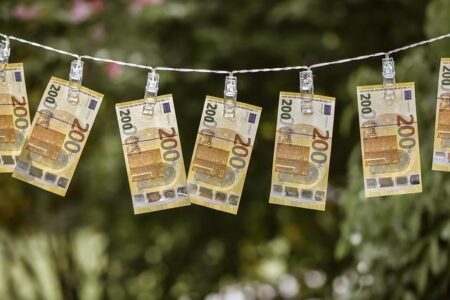


Gothenburg is actively pursuing closer collaboration with Germany as part of a strategic initiative to boost economic, cultural, and technological exchanges between the two regions. The Swedish city aims to leverage its strong industrial base and innovative sectors by forging stronger partnerships with German counterparts. This development signals a renewed focus on international cooperation amid evolving global market dynamics, with Gothenburg positioned as a key hub in the Nordic region seeking to enhance its ties with Europe’s largest economy.
Gothenburg Initiates Strategic Partnerships to Boost Economic Collaboration with Germany
Gothenburg is embarking on a dynamic new phase of international cooperation with Germany, focusing on fostering economic growth and innovation through targeted strategic partnerships. Key sectors identified for collaboration include automotive manufacturing, sustainable technologies, and digital transformation—areas in which both regions have established strong global reputations. Representatives from municipal and business councils have already initiated a series of bilateral meetings aimed at optimizing trade and investment flows, signaling a robust commitment to long-term economic integration.
To streamline these efforts, Gothenburg’s economic development office has outlined several priority areas:
- Technology Exchange: Facilitating joint research and development projects in cutting-edge fields like AI and renewable energy.
- Workforce Development: Creating exchange programs to enhance skills and knowledge transfer among industry professionals.
- Business Networking: Organizing cross-border events and forums to connect startups and established companies.
| Area of Focus | Benefit to Gothenburg | Benefit to Germany |
|---|---|---|
| Automotive Innovation | Access to advanced manufacturing techniques | Expansion of electric vehicle markets |
| Green Technologies | Strengthened sustainable energy infrastructure | New opportunities for eco-friendly exports |
| Digital Transformation | Enhanced digital infrastructure | Collaborative software development |
Key Sectors Identified for Enhanced Bilateral Cooperation and Innovation
The dialogue between Gothenburg and German stakeholders has spotlighted sectors primed for accelerated cooperation, innovation, and shared growth. Key among these are automotive and green technology, where both regions boast strong industrial bases and innovation hubs. Collaborative projects aiming to drive sustainable manufacturing processes and advance electric vehicle development are set to become cornerstones of this bilateral engagement. Additionally, advancements in digital infrastructure and smart city technologies stand to benefit from joint ventures, leveraging Germany’s expertise in Industry 4.0 and Gothenburg’s pioneering urban innovation landscape.
Further opportunities arise in life sciences and biotechnology, with an emphasis on research and development partnerships that address global health challenges through cutting-edge science and technology. The creative industries and education sectors also form crucial elements of the cooperation framework, fostering cross-cultural exchange and talent development. The strategic alignment of these sectors is expected to catalyze economic growth and deepen transnational ties.
| Sector | Focus Areas | Expected Outcomes |
|---|---|---|
| Automotive & Green Tech | Electric vehicles, sustainable manufacturing | Reduced emissions, innovation hubs |
| Digital Infrastructure | Industry 4.0, smart cities | Improved connectivity, urban efficiency |
| Life Sciences & Biotech | R&D collaboration, health tech | Medical breakthroughs, shared patents |
| Creative & Education | Cultural exchange, talent mobility | Enhanced workforce skills, innovation |
German Investments Expected to Drive Growth in Gothenburg’s Manufacturing and Tech Industries
Recent developments underscore a surge in German investments, set to energize Gothenburg’s manufacturing and technology sectors. Industry leaders point to an influx of capital targeting advanced manufacturing processes, autonomous vehicle technologies, and sustainable innovations. Key German companies have announced plans to expand their presence in the region, attracted by Gothenburg’s skilled workforce and strategic position in Northern Europe’s industrial landscape.
The anticipated growth is supported by strong collaborative frameworks designed to facilitate technology transfer and joint ventures between Swedish and German firms. These efforts are expected to foster innovation hubs equipped with state-of-the-art research facilities and incubation centers. Below is a projection of the sectors poised for growth and the estimated investment inflows through 2025:
| Sector | Investment Focus | Estimated Capital (€ million) |
|---|---|---|
| Automotive Engineering | Electric & Autonomous Vehicles | 120 |
| Tech Innovation | AI and Robotics | 85 |
| Green Manufacturing | Sustainable Production Technologies | 70 |
- Enhanced cross-border partnerships encouraging knowledge exchange
- Growing employment opportunities in high-tech manufacturing roles
- Focus on sustainability aligning with EU climate targets
Experts Recommend Focus on Sustainable Projects and Cultural Exchange Programs to Deepen Relations
Industry leaders and cultural experts alike emphasize the importance of investing in environmentally responsible ventures to fortify the Gothenburg-Germany partnership. Sustainable projects, ranging from renewable energy initiatives to green urban development, are seen as key drivers of economic growth and mutual environmental stewardship. These efforts promise to not only foster innovation but also enhance social responsibility, positioning both regions as pioneers in tackling climate change through joint action.
Complementing these initiatives, cultural exchange programs are gaining traction as vital platforms for deepening mutual understanding and collaboration. Experts highlight the value of art exhibitions, academic exchanges, and community events in bridging cultural divides and building long-lasting relationships. These programs serve as fertile ground for sharing ideas, strengthening social ties, and creating a resilient foundation for future bilateral cooperation across various sectors.
- Renewable Energy Collaboration: Joint wind and solar projects
- Urban Sustainability: Smart city infrastructure and eco-friendly transport
- Academic Programs: Student exchange and joint research initiatives
- Arts and Heritage: Cultural festivals and artist residencies
| Focus Area | Key Benefits |
|---|---|
| Sustainable Projects | Economic growth, environmental impact |
| Cultural Exchange | Social cohesion, knowledge sharing |
Concluding Remarks
As Gothenburg intensifies its efforts to bolster economic and cultural ties with Germany, both regions stand to benefit from strengthened cooperation and mutual investment. With ongoing initiatives and collaborative projects on the horizon, the city aims to position itself as a key partner in fostering sustainable growth and innovation within the European landscape. Stakeholders from both sides remain optimistic that these deepening relations will yield significant opportunities in the years to come.