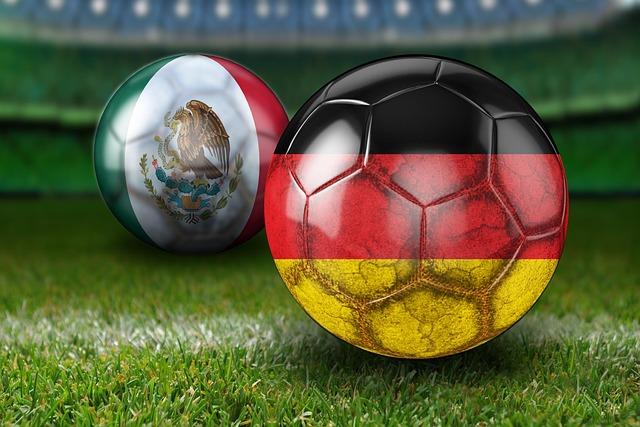
Germany’s Glorious Past and Present Challenges in World Cup Football
Germany’s illustrious history in the FIFA World Cup is marked by an unwavering commitment to excellence and a legacy of triumph. Boasting four World Cup championships (1954, 1974, 1990, and 2014), the German national team has long been synonymous with tactical precision, collective discipline, and mental toughness. Their remarkable consistency is reflected in reaching the semifinals or beyond an unprecedented 13 times, cementing their status as perennial contenders. Icons such as Franz Beckenbauer and Miroslav Klose—the latter holding the record for most World Cup goals—epitomize the nation’s footballing prowess. This success was underpinned by a robust youth development system, visionary leadership, and a deeply rooted football culture that set a benchmark for excellence worldwide.
Yet, recent years have witnessed a stark reversal of fortunes. The German squad, once a fortress of reliability and innovation, now grapples with maintaining its elite status amid a rapidly evolving global football landscape. Several critical issues have contributed to this downturn:
- Lagging behind in tactical creativity compared to emerging, more versatile teams
- Uneven talent cultivation beyond the top-tier clubs
- The burden of immense expectations affecting player confidence and performance
Examining Germany’s last four World Cup campaigns reveals a troubling pattern:
| Year | Furthest Stage | Outcome |
|---|---|---|
| 2010 | Third Place | Strong showing, eliminated in semifinals |
| 2014 | Champions | World Cup Winners |
| 2018 | Group Stage | Unexpected early elimination |
| 2022 | Group Stage | Another premature exit |
These outcomes highlight a worrying decline in Germany’s adaptability and competitive edge, signaling the urgent need for strategic reassessment to reclaim their former dominance.
Tactical Evolution and Coaching Obstacles Affecting Germany’s Performance
Germany’s recent World Cup performances have been hampered by inconsistent tactical approaches and managerial instability. The oscillation between a possession-oriented 4-3-3 formation and a more reactive 3-4-3 setup has left players uncertain about their responsibilities, undermining team cohesion. Instead of fostering adaptability, this tactical indecision has sown confusion, with squad members struggling to adjust to shifting roles during critical matches. This lack of clarity has been exploited by opponents, exposing defensive and offensive weaknesses.
Compounding these tactical issues are managerial challenges that have disrupted team harmony. The intense scrutiny and pressure on the head coach have led to frequent changes in lineups and inconsistent communication, eroding player confidence. Key factors influencing Germany’s tactical and leadership struggles include:
| Issue | Effect on Team | Managerial Impact |
|---|---|---|
| Constant Tactical Shifts | Players lack role clarity and adaptability | Creates uncertainty and diminishes confidence |
| Frequent Squad Rotation | Disrupts team chemistry and rhythm | Challenges leadership and locker room stability |
| Media and Public Pressure | Distracts focus from strategic planning | Increases stress on coaching decisions |
| Declining Player Morale | Reduces intensity and commitment on the pitch | Complicates motivation and team spirit |
Challenges in Youth Development and Identifying Germany’s Future Talents
Germany’s youth academies, once heralded for nurturing stars like Mesut Özil and Thomas Müller, now face significant hurdles adapting to the modern football environment. While clubs remain dedicated to developing young players, they confront intensified competition from emerging football markets and the trend of early transfers to foreign leagues. Key obstacles include:
- Disjointed scouting efforts that fail to consistently pinpoint promising talents at an early stage.
- Excessive focus on physical attributes at the expense of fostering creativity and technical skills among youth players.
- Delayed promotion to senior squads, limiting valuable competitive experience during critical development phases.
The German Football Association has initiated reforms, investing in coaching education and upgrading facilities. However, the impact of these changes is gradual. The following table compares youth international achievements over the past decade, illustrating Germany’s relative decline compared to other footballing nations:
| Country | U17 World Cup Titles (2010-2023) | U21 European Championship Semifinals | Average Age at Senior Debut (years) |
|---|---|---|---|
| Germany | 1 | 2 | 22.8 |
| France | 3 | 4 | 20.5 |
| Spain | 2 | 3 | 21.0 |
| Netherlands | 1 | 3 | 21.3 |
Pathways to Restoring Germany’s Footballing Glory
To reclaim their position atop the global football hierarchy, Germany must undertake a comprehensive transformation emphasizing innovation, youth nurturing, and tactical adaptability. Prioritizing grassroots initiatives will be crucial to developing a fresh cohort of technically adept and mentally robust players. Enhanced collaboration between clubs, academies, and the national team can harmonize training philosophies, fostering creativity and flexibility from an early age.
Essential strategies moving forward include:
- Revamping scouting networks to uncover diverse talents nationwide
- Leveraging advanced data analytics and sports science for optimizing player fitness and injury prevention
- Promoting tactical experimentation and moving beyond rigid traditional formations
- Expanding mental health support and leadership development to strengthen team cohesion
| Focus Area | Current Situation | Recommended Improvement |
|---|---|---|
| Youth Development | Fragmented and inconsistent | Establish a unified national framework |
| Technology Integration | Basic usage of data | Adopt cutting-edge analytics and AI tools |
| Tactical Philosophy | Conventional and inflexible | Implement adaptable, innovative strategies |
| Mental Conditioning | Limited psychological resources | Comprehensive mental health and leadership programs |
Ultimately, Germany’s revival hinges on cultivating not only individual brilliance but also a unified football identity that marries tradition with modernity. Developing players capable of thriving under pressure and adjusting seamlessly to evolving match demands is vital. Aligning efforts across clubs, coaches, federations, and supporters will be key to restoring Germany’s stature as a dominant force in international football.
Conclusion: Key Insights on Germany’s Football Future
Germany’s descent from World Cup champions to struggling contenders underscores the relentless evolution of international football. Once a beacon of consistency and tactical mastery, the team now confronts formidable challenges in reclaiming its elite status. As Germany embarks on a path of reinvention and renewal, the global football community watches attentively, reminded that even the most decorated teams must continuously adapt. The road ahead will test not only the nation’s talent pool but also its resilience, strategic foresight, and commitment to innovation.