


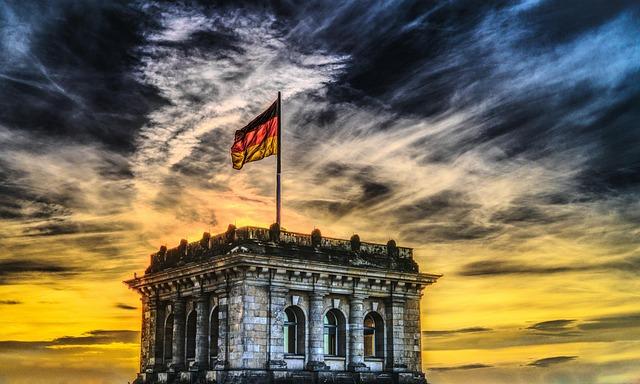
Internal Party Struggles Lead Friedrich Merz to Cancel United Nations Visit
Friedrich Merz, the head of Germany’s Christian Democratic Union (CDU), has recently withdrawn from his planned trip to the United Nations amid intensifying internal discord within his party. The mounting disagreements over leadership direction and policy priorities have reached a tipping point, compelling Merz to focus on resolving internal conflicts rather than pursuing international diplomatic engagements. Insiders indicate that prominent CDU members are urging swift reconciliation to prevent further destabilization of the party’s future prospects.
Primary reasons behind Merz’s withdrawal include:
- Escalating divisions between the party’s conservative and centrist factions
- Urgent need to unify leadership ahead of forthcoming electoral contests
- Concerns over public image and maintaining party solidarity
| Challenge | Effect | Anticipated Resolution |
|---|---|---|
| Leadership Rivalries | Hindrance in strategic planning | Potential mediation and compromise |
| Policy Conflicts | Voter uncertainty | Refined and unified messaging |
| Public Trust | Declining approval ratings | Heightened media attention |
How CDU’s Internal Disputes Affect Germany’s Role on the World Stage
The persistent turmoil within the CDU has cast a long shadow over Germany’s international diplomatic efforts. Merz’s sudden cancellation of his UN engagement, originally intended to reinforce Germany’s stance on pressing global matters, highlights how domestic political strife can detract from the country’s foreign policy effectiveness. This internal fragmentation risks diminishing Germany’s ability to act cohesively in multilateral negotiations, potentially weakening its influence in areas such as climate policy, security cooperation, and international trade.
Experts emphasize several direct repercussions stemming from the CDU’s internal conflicts:
- Slowed policy implementation: Ongoing debates delay critical decisions and commitments on the international front.
- Questioned reliability: Allies may perceive Germany as politically unstable, affecting trust in partnerships.
- Reduced diplomatic focus: Leadership preoccupied with internal issues limits engagement in global forums.
| Diplomatic Sphere | Likely Impact |
|---|---|
| Climate Leadership | Risk of losing prominence in international environmental agreements |
| Security Partnerships | Potential erosion of confidence among NATO allies |
| Trade Relations | Delays in advancing EU trade negotiations |
Exploring the Origins and Implications of CDU’s Internal Divisions
The intensifying discord within Germany’s principal political party has reached a stage where influential leaders like Friedrich Merz are reconsidering their external commitments. This unrest is rooted in fundamental ideological splits, leadership contests, and contrasting visions for the party’s trajectory. Such fragmentation disrupts coherent policy development and erodes public confidence, potentially impacting Germany’s governance and its standing within the European Union.
Key contributors to the party’s instability include:
- Leadership Rivalries: Competing groups within the CDU struggle for dominance, resulting in inconsistent communication.
- Policy Divergences: Conflicting opinions on economic reforms and social policies intensify internal friction.
- External Pressures: Opposition parties and media scrutiny exploit visible divisions to weaken the CDU’s position.
| Outcome | Effect |
|---|---|
| Slowed Decision-Making | Legislative delays and stalled reform initiatives |
| Declining Public Confidence | Reduced voter support and party approval |
| Leadership Distraction | Less attention to international responsibilities |
Strategies to Rebuild Party Cohesion and Bolster Germany’s International Standing
To heal internal divisions and present a unified front globally, it is essential to foster open and continuous dialogue within the CDU. Establishing transparent communication channels among differing factions can ease tensions and promote consensus. Furthermore, adopting inclusive policy development that integrates diverse perspectives will help prevent alienation of key members and reduce future conflicts.
On the international front, Germany should recommit to multilateralism and demonstrate leadership in innovation and sustainability. Emphasizing diplomatic engagement alongside strategic economic partnerships can rejuvenate Germany’s global influence. The table below highlights priority areas for renewed focus:
| Priority Area | Recommended Initiative | Projected Benefit |
|---|---|---|
| Party Unity | Organize regular intra-party conferences | Diminished factional conflicts |
| Global Diplomacy | Enhance collaboration with EU and UN partners | Stronger international influence |
| Economic Advancement | Increase investment in renewable technologies | Leadership in global sustainability efforts |
Conclusion
As internal tensions within the Christian Democratic Union deepen, Friedrich Merz’s cancellation of his United Nations visit highlights the severity of the party’s challenges. This discord not only threatens the CDU’s internal stability but also casts uncertainty over Germany’s political reliability on the international stage. The coming weeks will be critical as Merz and his party strive to navigate these difficulties, with consequences that extend well beyond Germany’s borders. Stay informed with trusted news outlets for the latest developments on this evolving situation.


