


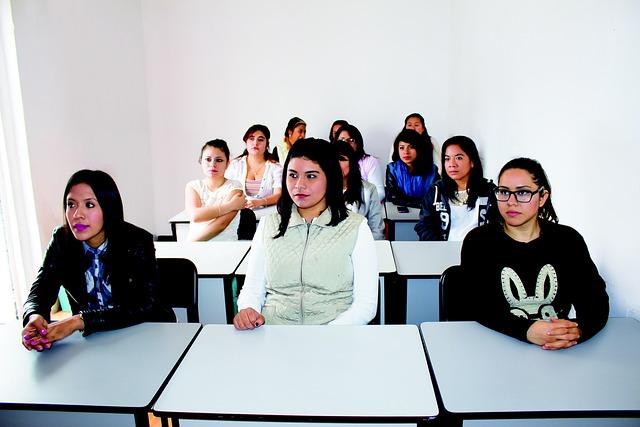
Record-Breaking International Student Enrollment in German Universities
Germany’s universities are witnessing an unprecedented rise in the number of international students, now making up 18% of total enrollments—the highest proportion ever recorded. This milestone reflects Germany’s expanding reputation as a premier destination for global learners attracted by its innovative research, diverse academic programs, and commitment to accessible, high-quality education.
The growing international student body is drawn from a wide array of countries, enriching campus life with multicultural perspectives. Several factors contribute to this trend, including:
- Generous scholarship schemes aimed at supporting students from emerging economies.
- Increasing availability of English-taught degree programs, easing language challenges.
- Strong partnerships between universities and industries that enhance graduate employability.
- Competitive tuition fees that are more affordable than many other Western education systems.
| Country of Origin | Share of International Students |
|---|---|
| China | 26% |
| India | 14% |
| Brazil | 9% |
| Turkey | 7% |
| Other Countries | 44% |
How Rising International Enrollment Enriches Campus Diversity
The surge in foreign student numbers has transformed German universities into dynamic centers of global culture and intellectual exchange. With nearly one in five students coming from abroad, campuses now buzz with a mosaic of languages, customs, and academic traditions. This diversity fosters cross-cultural collaboration and equips all students with the skills needed for a globalized workforce.
In response, institutions have expanded support systems and inclusive initiatives to accommodate this demographic shift. The benefits of a diverse student body extend beyond cultural enrichment, positively influencing academic innovation and social cohesion. Notable impacts include:
- Curriculum diversification through integration of global case studies and joint international research projects.
- Broadened networking platforms that connect domestic and international students.
- Increased cultural festivals and language exchange programs that nurture mutual understanding and respect.
| Diversity Indicator | 2010 | 2024 |
|---|---|---|
| Percentage of International Students | 10% | 18% |
| Number of Represented Countries | 68 | 97 |
| Multilingual Student Organizations | 14 | 32 |
Obstacles Faced by International Students in Germany’s Academic System
Despite the many advantages, international students often grapple with significant challenges when adapting to Germany’s educational environment. Language proficiency remains a critical barrier, as fluency in German is essential not only for comprehending lectures but also for active participation in seminars and completing coursework. Additionally, differing cultural norms around classroom interaction and academic integrity can create confusion and feelings of isolation.
The German grading system and emphasis on independent study may also contrast sharply with students’ previous educational experiences, complicating their academic adjustment. Outside the classroom, social integration hurdles and legal restrictions on part-time employment can intensify financial and emotional pressures. The following table outlines key difficulties and their effects on student success and wellbeing:
| Challenge | Consequences |
|---|---|
| Language Barriers | Reduced comprehension leads to lower academic achievement and limited classroom engagement |
| Cultural Misalignments | Communication gaps hinder teamwork and collaborative learning |
| Financial Hardships | Stress impacts focus and time management |
| Work Permit Limitations | Fewer income opportunities restrict social participation and financial independence |
Strategies to Enhance Integration and Academic Achievement for International Students
To create a more welcoming and supportive academic environment, German universities and policymakers should emphasize comprehensive language assistance programs tailored to varying proficiency levels. This includes investing in flexible, technology-driven language learning platforms that allow students to improve at their own pace.
Mentorship schemes pairing international students with local peers or alumni can also ease cultural adaptation and foster a sense of community. Furthermore, career services dedicated to international students should provide targeted support on internships, job applications, and navigating Germany’s employment regulations. Collaborations between universities and employers to establish structured internship opportunities for foreign students—especially in STEM and business sectors—would bridge academic learning with practical experience. The table below summarizes recommended initiatives and their anticipated benefits:
| Initiative | Expected Outcome | Beneficiary Group |
|---|---|---|
| Advanced Language Support | Enhanced academic success and smoother social integration | Students with limited German skills |
| Peer Mentoring Networks | Improved retention rates and stronger campus communities | All international students |
| Dedicated International Career Services | Higher employment rates and better job preparedness | Students seeking internships and employment |
| Employer-University Internship Partnerships | Relevant work experience aligned with academic training | Foreign students in technical and commercial fields |
Conclusion: Germany’s Ascendancy as a Global Education Destination
The expanding share of international students in German universities—now at a historic 18%—underscores the nation’s growing stature as a magnet for global academic talent. This influx not only diversifies and enriches the educational experience but also fosters vital cross-cultural exchanges that prepare graduates for a connected world. As institutions continue to evolve policies and support systems to meet the needs of a diverse student body, Germany’s higher education sector stands poised to maintain its competitive edge and inclusive excellence in the years ahead.


