


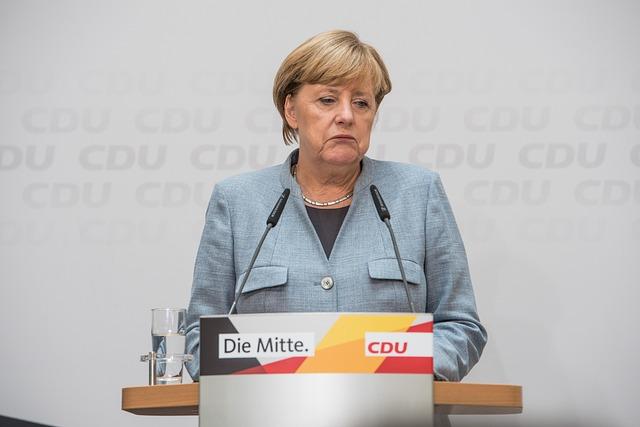
Germany’s Political Crossroads: Regional Elections and Their National Consequences
How Regional Ballots Could Reshape Germany’s Federal Leadership
The forthcoming regional elections in Germany carry profound implications for the country’s national governance. Both elections take place in states where the ruling party holds precariously narrow majorities, making these contests critical for the chancellor’s capacity to sustain a cohesive coalition. Political experts warn that disappointing results could invigorate opposition forces and trigger internal demands for leadership restructuring, complicating federal policymaking amid ongoing economic pressures and geopolitical uncertainties.
Primary influences shaping voter decisions include:
- Economic grievances at the local level, especially the impact of inflation on household budgets
- Changing attitudes toward climate change initiatives and environmental regulations
- Opposition parties forming tactical coalitions to exploit voter dissatisfaction
| State | Incumbent Majority | Election Date | Potential Effect on Federal Coalition |
|---|---|---|---|
| Bavaria | Center-Right (CSU) | September 2024 | May undermine coalition stability |
| Brandenburg | Center-Left (SPD) | October 2024 | Could trigger leadership reassessment |
Internal Struggles: The Ruling Party’s Battle Against Regional Discontent
Mounting dissatisfaction in key regions has intensified pressure on the ruling party, as economic hardships and social challenges fuel voter unrest. Traditional party bastions are witnessing erosion as opposition groups leverage local frustrations related to unemployment, infrastructure shortcomings, and a perceived disconnect between federal policies and regional needs. This growing discontent threatens to weaken the party’s electoral base and complicate efforts to maintain unity and electoral success.
Contributing factors to this unrest include:
- Economic inequality: Disparities in resource allocation have heightened frustrations in less affluent states.
- Policy disconnect: Citizens feel marginalized by centralized decision-making processes.
- Emergence of regional parties: Local political movements gain traction by addressing specific community concerns.
| Region | Change in Party Vote Share (%) | Dominant Issues |
|---|---|---|
| State X | -5.8 | Joblessness, Transport Infrastructure |
| State Y | -6.9 | Healthcare Access, Economic Development |
As these challenges intensify ahead of the elections, the party’s leadership confronts a volatile political environment. Successfully navigating the complex interplay of regional demands and opposition momentum is essential to prevent further erosion of influence. Political analysts caution that failure to adapt could diminish the party’s standing both regionally and nationally, casting doubt on its future direction and leadership stability.
Voter Behavior Shifts: What They Mean for Germany’s Political Future
Recent voting patterns reveal a growing divide between urban and rural electorates, with metropolitan areas increasingly favoring progressive parties, while rural communities remain loyal to conservative factions. This polarization is intensified by ongoing concerns about economic security and immigration, which continue to dominate voter priorities across the contested regions.
Notable voter trend insights include:
- Declining participation among younger voters, who generally support progressive platforms.
- Steady conservative backing in economically vulnerable rural areas.
- Rising numbers of undecided voters exhibiting fluctuating preferences close to election day.
| Voter Segment | Current Support Level | Trend |
|---|---|---|
| Young Urban Electorate | 38% | Decreasing Turnout |
| Rural Conservative Voters | 57% | Stable |
| Undecided Swing Voters | 17% | Increasing |
If these trends persist, they could significantly impact Germany’s political stability. The unpredictability of swing voters and waning enthusiasm among key demographics may hinder the ruling party’s ability to secure decisive mandates, potentially leading to fragmented regional governments. This electoral volatility could also necessitate new coalition strategies, influencing governance continuity and policy execution at both state and federal levels.
Revitalizing the Party: Strategies to Restore Public Trust and Political Strength
To regain momentum, the ruling party must adopt a comprehensive approach emphasizing transparency, grassroots involvement, and innovative policymaking. Demonstrating accountability by confronting internal issues openly will help rebuild voter confidence. Equally important is energizing local party branches to establish genuine connections with constituents, ensuring the party’s platform resonates authentically across diverse regions.
Essential strategic initiatives include:
- Governance reforms: Implementing enhanced transparency and accountability frameworks.
- Region-specific policies: Addressing urgent economic and social challenges tailored to local needs.
- Digital engagement: Utilizing social media and online platforms to connect with younger voters and combat misinformation.
- Building coalitions: Partnering with civil society organizations to broaden support bases.
| Strategic Area | Anticipated Outcome |
|---|---|
| Governance Reform | Enhanced voter trust and credibility |
| Policy Innovation | Greater relevance to public concerns |
| Digital Outreach | Expanded engagement with younger demographics |
| Coalition Expansion | Broadened political alliances and support |
Final Thoughts: The Road Ahead for Germany’s Leadership
As Germany approaches these decisive regional elections, the chancellor’s political future hangs in the balance. The results will not only influence governance within the contested states but may also herald wider transformations for the ruling party on the national stage. Both political observers and party insiders are closely monitoring these developments, aware that the outcomes could be instrumental in shaping Germany’s governmental direction in the coming months.


