

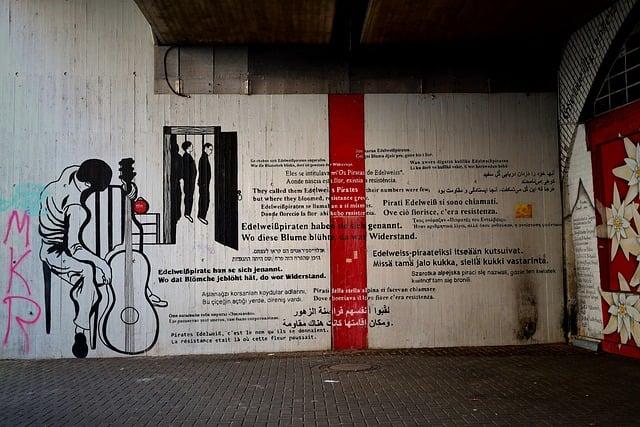
Honoring Germany’s Legacy of Resistance Against Nazi Oppression
Remembering the Brave Individuals Who Defied Nazi Rule
Throughout Germany, there is a growing movement to pay tribute to the courageous individuals who risked their lives to resist the Nazi dictatorship. These heroes, hailing from various social, religious, and political backgrounds, united in their determination to challenge oppression and defend human rights. Their often covert and perilous efforts highlight the power of moral conviction even in the bleakest moments of history.
Noteworthy resistance groups and personalities include:
- The Edelweiss Pirates, youth groups who defied Nazi youth organizations through acts of sabotage and nonconformity.
- Pastors and religious leaders from the Confessing Church who opposed Nazi interference in spiritual life and sheltered persecuted individuals.
- Members of the German military involved in the 1944 plot to assassinate Adolf Hitler.
- Jewish partisans who orchestrated armed rebellions within ghettos and concentration camps.
| Resistance Group | Active Years | Major Contributions |
|---|---|---|
| Edelweiss Pirates | 1939-1945 | Sabotage and youth resistance |
| July 20 Conspirators | 1944 | Failed assassination attempt on Hitler |
| Jewish Partisans | 1941-1945 | Guerrilla warfare and uprisings |
| Confessing Church | 1934-1945 | Religious opposition and protection |
New Memorials Illuminate Stories of Defiance and Suffering
Germany has recently unveiled a series of memorials dedicated to preserving the memory of those who resisted Nazi oppression. These commemorative sites serve a dual purpose: honoring the victims and educating the public about the diverse forms of resistance that emerged during this grim era. From subtle urban plaques to expansive rural monuments, each installation offers a distinct perspective on courage and defiance, reinforcing the vital role of remembrance in nurturing democratic ideals today.
Officials emphasize the importance of inclusive storytelling that acknowledges all groups persecuted by the Nazi regime, including political dissidents, Jewish communities, Roma and Sinti populations, and others. Features of these memorials include:
- Immersive exhibits showcasing firsthand narratives and acts of heroism.
- Expert-led guided tours involving historians and descendants of survivors.
- Accessible digital archives preserving testimonies and historical records for global audiences.
| City | Memorial Type | Focus Area |
|---|---|---|
| Hamburg | Memorial Garden | Political Prisoners and Dissidents |
| Leipzig | Interactive Exhibition | Jewish Resistance Movements |
| Cologne | Artistic Monument | Persecution of Roma and Sinti |
Educational Programs and Public Awareness to Safeguard Historical Truth
Across Germany, educational institutions and cultural organizations are spearheading initiatives to deepen public understanding of the resistance against Nazi tyranny. These programs incorporate interactive museum displays, documentary film screenings, and engagements with historians and survivors’ descendants. Curricula in schools emphasize the ethical courage displayed during this period, fostering a vigilant attitude against all forms of authoritarianism. The goal is to honor past heroes while cultivating a lasting dedication to democratic principles.
Community-led efforts also play a pivotal role by encouraging local participation and personal connections to history. Annual commemorative events, such as remembrance marches and panel discussions, unite diverse audiences to reflect on historical atrocities and their ongoing significance. Key educational and awareness strategies include:
- Collaborative learning: Partnerships between schools and memorial sites for immersive educational experiences.
- Online repositories: Digital platforms offering access to rare documents, survivor testimonies, and multimedia content.
- Public seminars: Lectures by experts exploring resistance movements and their relevance today.
- Youth engagement forums: Spaces encouraging young people to participate in dialogue and creative remembrance projects.
| Program | Audience | Primary Goal |
|---|---|---|
| Memorial Site Excursions | Students and Educators | Direct historical experience |
| Virtual Reality Experiences | General Public | Immersive education on resistance history |
| Interactive Workshops | Youth Groups | Active participation in remembrance |
Strategic Policy Measures to Bolster Democracy and Counter Extremism
Addressing the ongoing challenge posed by extremist ideologies requires comprehensive policies that strengthen democratic institutions and promote social unity. Key priorities include reforming education to foster critical thinking, civic engagement, and historical literacy about the atrocities committed under Nazi rule. Equally vital are community outreach initiatives that encourage dialogue among diverse populations, breaking down isolation that can lead to radicalization. Legal frameworks must be robust, enabling early detection and intervention in extremist activities to prevent escalation.
- Enhance media literacy programs to combat misinformation and extremist propaganda.
- Adopt victim-centered justice approaches ensuring reparations and acknowledgment.
- Expand mental health services addressing factors contributing to radicalization.
- Foster cooperation among civil society, law enforcement, and governmental bodies.
Transparency and accountability are essential in implementing these policies. Independent oversight entities should monitor adherence to democratic standards across public and private sectors, ensuring extremism is neither overlooked nor tacitly accepted. Funding should prioritize grassroots organizations with proven effectiveness in deradicalization and democratic education. The table below outlines critical policy domains alongside recommended actions and anticipated results:
| Policy Focus | Recommended Actions | Projected Impact |
|---|---|---|
| Education Reform | Update curricula, train educators | Empowered, informed citizenry |
| Community Engagement | Facilitate dialogues, cultural events | Enhanced social cohesion |
| Legal Frameworks | Implement early intervention, strengthen hate crime laws | Lowered extremist incidents |
| Oversight Mechanisms | Establish independent monitoring bodies | Transparent enforcement of democratic norms |
Reflecting on the Enduring Legacy of Resistance
The act of commemorating those who resisted Nazi terror remains a profound testament to human bravery and moral strength during one of history’s most harrowing periods. As Germany continues to engage with its past, these remembrances reinforce the critical need for vigilance in protecting democracy and human rights. Ongoing coverage by DW.com will track how Germany advances its culture of remembrance and educates future generations to uphold these vital values.