

Revitalizing Germany’s Chemical Industry: Navigating Challenges and Embracing Innovation
Intensifying Pressures on Germany’s Chemical Industry in a Competitive Global Landscape
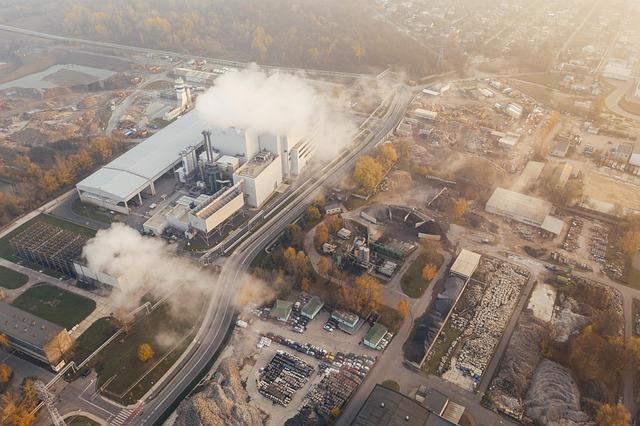
Once a dominant force in the global chemical market, Germany’s chemical sector is currently facing significant hurdles. Escalating energy expenses, persistent supply chain interruptions, and evolving market demands have collectively strained manufacturers. These factors, combined with stringent environmental policies and rising production costs, have led to a downturn in both output and profitability. Meanwhile, international competitors with lower operational costs are rapidly gaining ground, threatening Germany’s longstanding leadership.
To counter these challenges, industry stakeholders are pushing for accelerated adoption of digital transformation and sustainable manufacturing practices. The federal government has introduced a series of initiatives aimed at revitalizing the sector, focusing on:
- Boosting funding for research and innovation
- Enhancing export support mechanisms
- Encouraging the use of sustainable raw materials
- Upgrading logistics and infrastructure
Despite these efforts, experts caution that without rapid adaptation, Germany risks ceding its competitive advantage in the global chemical arena. The following table compares key industry metrics from 2023, highlighting Germany’s position relative to major competitors:
| Metric | Germany | USA | China | India |
|---|---|---|---|---|
| Annual Production (million tons) | 29.8 | 35.2 | 75.6 | 18.4 |
| R&D Spending (% of revenue) | 6.5% | 5.2% | 4.1% | 2.8% |
| CO₂ Emissions (million tons) | 45.0 | 70.2 | 130.5 | 55.3 |
| Global Market Share | 12% | 15% | 30% | 9% |
Driving Transformation Through Innovation and Environmental Responsibility
In response to mounting pressures, Germany’s chemical manufacturers are embracing advanced technologies and sustainability-focused approaches to rejuvenate the industry. Investments in automation, artificial intelligence, and digital tools are streamlining operations, reducing waste, and enhancing productivity. Simultaneously, the sector is integrating renewable feedstocks and circular economy models to minimize environmental footprints and optimize resource utilization.
Key initiatives propelling this transformation include:
- Eco-friendly chemistry: Innovating biodegradable catalysts and solvents to reduce emissions.
- Energy transition: Implementing green hydrogen and electrification to decarbonize production.
- Smart factories: Deploying IoT devices and predictive analytics to maximize operational efficiency.
| Technology | Advantage | Projected Impact by 2030 |
|---|---|---|
| Green hydrogen adoption | Significant CO₂ reduction | 40% decrease in emissions |
| AI-enhanced processes | Improved energy efficiency | 25% reduction in energy use |
| Circular material utilization | Waste reduction | 30% recycled input materials |
Government Initiatives Bolster Industry Stability and Growth
In recognition of the sector’s critical challenges, the German government has launched a comprehensive support framework designed to stabilize production and stimulate recovery. This includes financial assistance targeted at small and medium enterprises (SMEs), tax incentives to alleviate cash flow pressures, and expanded funding for sustainable innovation projects. These policies aim to protect employment and maintain Germany’s competitive stature globally.
Regulatory reforms have also been enacted to simplify approval processes and incentivize the adoption of green technologies. Highlights of the government’s commitment include:
- €500 million allocated for R&D in environmentally friendly chemical solutions
- Discounted energy rates for chemical producers during off-peak hours
- Accelerated certification for circular economy initiatives
- Collaborative public-private programs to enhance workforce digital skills
| Policy Initiative | Beneficiaries | Anticipated Outcome |
|---|---|---|
| R&D Funding Grants | Innovative SMEs | Faster development of sustainable chemical products |
| Energy Subsidies | Large-scale manufacturers | Lower operational costs and improved market competitiveness |
| Workforce Upskilling Programs | Chemical industry employees | Enhanced productivity and readiness for digital transformation |
Collaborative Ventures and Investment as Catalysts for Industry Renewal
The resurgence of Germany’s chemical industry heavily depends on forming strategic collaborations that combine innovation with financial resources. Industry experts stress the importance of partnerships spanning multinational corporations, startups, and research institutions to overcome supply chain challenges and energy price volatility. These alliances are pivotal for pooling expertise and capital, particularly in sustainable manufacturing and digitalization efforts, fostering a more robust and competitive sector.
Investment remains a vital driver of recovery, with emphasis on channeling funds into modernization and capacity expansion. Public-private partnerships are seen as essential to unlocking new capital streams, supported by government incentives promoting green technology adoption. The table below outlines priority investment areas poised to accelerate growth:
| Investment Area | Expected Benefit |
|---|---|
| Integration of Renewable Energy | Lower carbon emissions and operational expenses |
| Next-Generation Manufacturing Technologies | Enhanced efficiency and product quality |
| Digital Infrastructure Development | Improved automation and data-driven decision-making |
| Comprehensive Workforce Training | Preparation for emerging technological demands |
Conclusion: Charting a Sustainable Future for Germany’s Chemical Industry
As Germany’s chemical sector confronts escalating challenges—from rising energy prices to global supply chain volatility—the journey toward recovery is both urgent and complex. Success hinges on a unified approach that combines government backing, technological innovation, and sustainable practices. The manner in which Germany navigates this critical juncture will not only determine the future of a cornerstone industry but also influence economic resilience across Europe in the years ahead.