

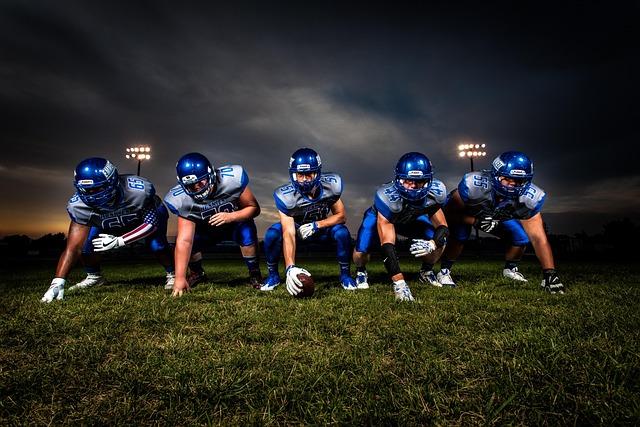
Germany’s National Football Team: Overcoming Challenges to Reclaim Global Supremacy
Pressure and Performance: Unpacking Germany’s Challenges in High-Stakes Matches
Historically, Germany’s football squad has been celebrated for its tactical precision and unwavering resilience. Yet, recent tournaments have revealed a troubling pattern: the team often hesitates to take charge during the most decisive moments. Despite possessing exceptional technical abilities, players sometimes appear psychologically constrained, lacking the confidence to assume responsibility when stakes are highest. This reluctance frequently results in squandered chances and an overdependence on collective strategies that falter against top-tier opponents in knockout stages.
Several elements contribute to this phenomenon:
- Leadership vacuum: The absence of a definitive on-field leader leads to fragmented decision-making under pressure.
- Limited clutch experience: A relatively youthful roster occasionally struggles to maintain composure during critical phases.
- Excessive tactical rigidity: Strict adherence to game plans restricts creative freedom and spontaneous risk-taking from seasoned players.
| Year | Outcome in Key Match | Underlying Issues |
|---|---|---|
| 2018 FIFA World Cup | Eliminated in Round of 16 | Defensive indecision, lack of attacking leadership |
| 2021 UEFA European Championship | Semi-final Defeat | Errors under pressure, momentum loss |
| 2022 UEFA Nations League | Quarter-final Exit | Penalty miss, disjointed teamwork |
Tactical Limitations and Psychological Barriers: A Dual Challenge
Germany’s recent setbacks in crucial fixtures highlight not only tactical shortcomings but also significant mental obstacles. The team’s reluctance or inability to modify formations dynamically during matches has rendered their offensive strategies predictable and easier to counter. Midfield creativity often falls short, leading to stagnant possession and ineffective penetration of well-organized defenses. Defensively, lapses in concentration during pivotal moments have allowed opponents to exploit set pieces and rapid counterattacks.
Beyond these technical issues, psychological factors play a critical role. Key players frequently exhibit hesitation to take initiative, seemingly burdened by the weight of expectations. This risk-averse mentality suppresses the spontaneous decision-making essential for success in high-pressure scenarios. The table below outlines the primary mental barriers undermining Germany’s performance in decisive moments:
| Mental Barrier | Effect on Gameplay |
|---|---|
| Fear of Errors | Stifles creativity, promotes overly cautious tactics |
| Pressure-Induced Paralysis | Slows decision-making, leads to missed chances |
| Deficiency in Leadership Initiative | Lack of clear direction on the pitch |
| Dependence on Rigid Structures | Inflexibility, inability to adapt mid-match |
Leadership and Experience: Cornerstones for Restoring Confidence
Effective leadership is the backbone of any triumphant team, fostering an environment where players feel empowered to act decisively. Germany’s recent challenges often stem from a leadership approach that lacks the assertiveness needed to inspire confidence during critical junctures. Veteran players and coaching staff must cultivate a culture that embraces calculated risks and views setbacks as opportunities for growth rather than failures. This foundation of trust is vital to overcoming hesitation and igniting the decisive spirit that defines championship-winning teams.
Essential components for nurturing team confidence include:
- Consistent and motivational communication: Reinforcing belief in the team’s collective capabilities.
- Experience in high-pressure environments: Seasoned players who exemplify calm and sound judgment.
- Empowerment through delegation: Encouraging players to take ownership of their roles on the field.
- Culture of accountability: Emphasizing learning from mistakes to build resilience.
| Leadership Quality | Contribution to Team Confidence |
|---|---|
| Decisiveness | Promotes quick, assured actions under pressure |
| Experience | Provides calm guidance and sharpens focus |
| Communication | Maintains team unity and motivation |
| Accountability | Encourages resilience and continuous growth |
Building Resilience and Responsibility: Lessons Beyond the Pitch
In the broader context of international competition, whether in sports or geopolitics, resilience and a sense of responsibility are indispensable. For Germany, fostering a mindset that embraces proactive leadership and adaptability is crucial to regaining its competitive edge. Encouraging bold decision-making and calculated risk-taking can spark transformative breakthroughs during critical moments.
Developing resilience also involves cultivating a culture of transparency and accountability across institutions and society. This includes:
- Open and transparent decision-making: Building trust domestically and internationally.
- Strategic foresight: Anticipating global trends and preparing accordingly.
- Inclusive dialogue: Engaging diverse voices to strengthen national cohesion.
By implementing these strategies, Germany can not only navigate crises effectively but also position itself as a responsible and confident leader on the world stage.
| Strategy | Effect | Illustrative Example |
|---|---|---|
| Proactive Leadership | Enables decisive action during challenges | Germany’s Energiewende (energy transition) policy |
| Transparent Governance | Enhances trust and credibility | Open communication during COVID-19 response |
| Inclusive Engagement | Fosters unity and diverse perspectives | Public consultations on climate and foreign policy |
Final Thoughts: The Road Ahead for Germany’s Football Legacy
Germany’s ongoing difficulties in asserting dominance during pivotal football moments continue to attract scrutiny from supporters and experts alike. Despite a storied legacy, the team’s hesitation to embrace responsibility at crucial junctures highlights underlying issues in leadership and mindset. As the Mannschaft prepares for upcoming international competitions, rebuilding confidence and fostering decisive leadership will be paramount to converting potential into consistent success. The forthcoming tournaments will serve as a litmus test for whether Germany can surmount these psychological barriers and reestablish itself as a formidable force in global football.